
















Cottage Cheese Recipe
-

Yield
1 Pound
-

Aging Time
None
-

Skill Level
Beginner
-

Author
Jim Wallace


Cottage Cheese Recipe Info
A Time-Honored Tradition
Choosing Your Cottage Cheese Styl
The Science Behind the Curd
Ingredients
Total price for selected items: Total price:

Instructions
-


Heat & Acidify Milk
Begin by heating the milk to 86°F (30°C). I do this by placing the gallon of milk in a pot or sink of very warm water. If you do this in a pot on the stove make sure you heat the milk slowly and stir it well as it heats
Once the milk is at 86°F the culture can be added. I do this by sprinkling the powder over the surface of the milk and then allow about 2 minutes for the powder to re-hydrate before stirring it in.
-

Coagulate with Rennet
Next add about 8-10 drops of single strength liquid rennet.
The milk now needs to sit quiet for 5-8 hours while the culture works and the curd forms. The thermal mass of this milk should keep it warm but during colder months wrapping this in a thick blanket or towel will keep the temperature up. It is OK if the temp drops a few degrees during this time.
When the curd is ready you will notice that it shrinks away from the sides of the pan a bit and that you may see a thin layer of whey on the top. You may even notice some cracks forming on the surface.
-


Cut Curds & Releasing Whey
Now it is time to cut the curds. Begin by making parallel cuts about 1/2 -3/4 inches apart. Then turn the pot 90 degrees and repeat ending with a checkerboard of cuts on the surface. Then with your spoon or ladle cut these crosswise until you have a pot full of curd cubes. Be gentle at this point because the curd will be very soft.
Once the curds are cut, stir them gently for 10 minutes. You should note more whey being released.
-


Cook the Curds
Now it is time to begin drying out the curds. This will be done by increasing the heat slowly to 113-115°F (45-46°C). The heat needs to be increased slowly at about 2-3°F (1°C) every 5 minutes. The total cooking time will be 60-90 minutes and may be extended to 2 hrs if the curds are still soft.
The final curds should be cooked well through and should be examined to make sure that enough moisture has been removed. A broken curd should be firm throughout and the curds should have a moderate resistance when pressed between the fingers.
When this point is reached the curds can be allowed to settle under the whey
-


Remove the Whey
The dry curds can now be transferred to a colander lined with butter muslin. They should be allowed to drain for 30 minutes and a gentle stirring will make sure that the whey drains off.
Once the curds drain for a short time the cloth can be gathered, tied securely and hung for the final drainage. This can be done for several hours and even overnight, depending on how dry you want the final cheese.
-

Chilling
The curds now need to be chilled and separated. I do this by filling the pot with cold water and submerging the curds in its cloth bundle in the cold water (this makes it easier to drain them again). Separate the curds well while in the cold water. This will drop the temperature of the curds to about 60°F (15.5°C). Then drain the curds again.
Repeat this again but with ice water and allow the curds to remain in the water for 30 minutes while separating the curds. The final curds should now be at 35-40°F (1-4°C)
-


Draining & Flavoring
Allow the curds to drain well in a colander. You may notice that the finished curds have consolidated somewhat but they are easy to separate.
You can now add a bit of salt to suit your preference (about 1/4-1/2 tsp should do). Sprinkle this over the surface evenly then mix into the curds well.
Salt is not really needed here for the process because the final acidity is enough to stop the bacteria from working. So if you are looking for salt free, this is a good cheese for you. Adding herbs or spice is a great alternative to augment the flavor in a salt-free cheese.
Your Cheese is now ready for storage but you can make any additions you like by adding fresh herbs, spices, etc.
If you would like a richer cottage cheese, then adding a small amount of Heavy Cream will make it into a much richer cheese. Let your taste be your guide on this.
-


Enjoy
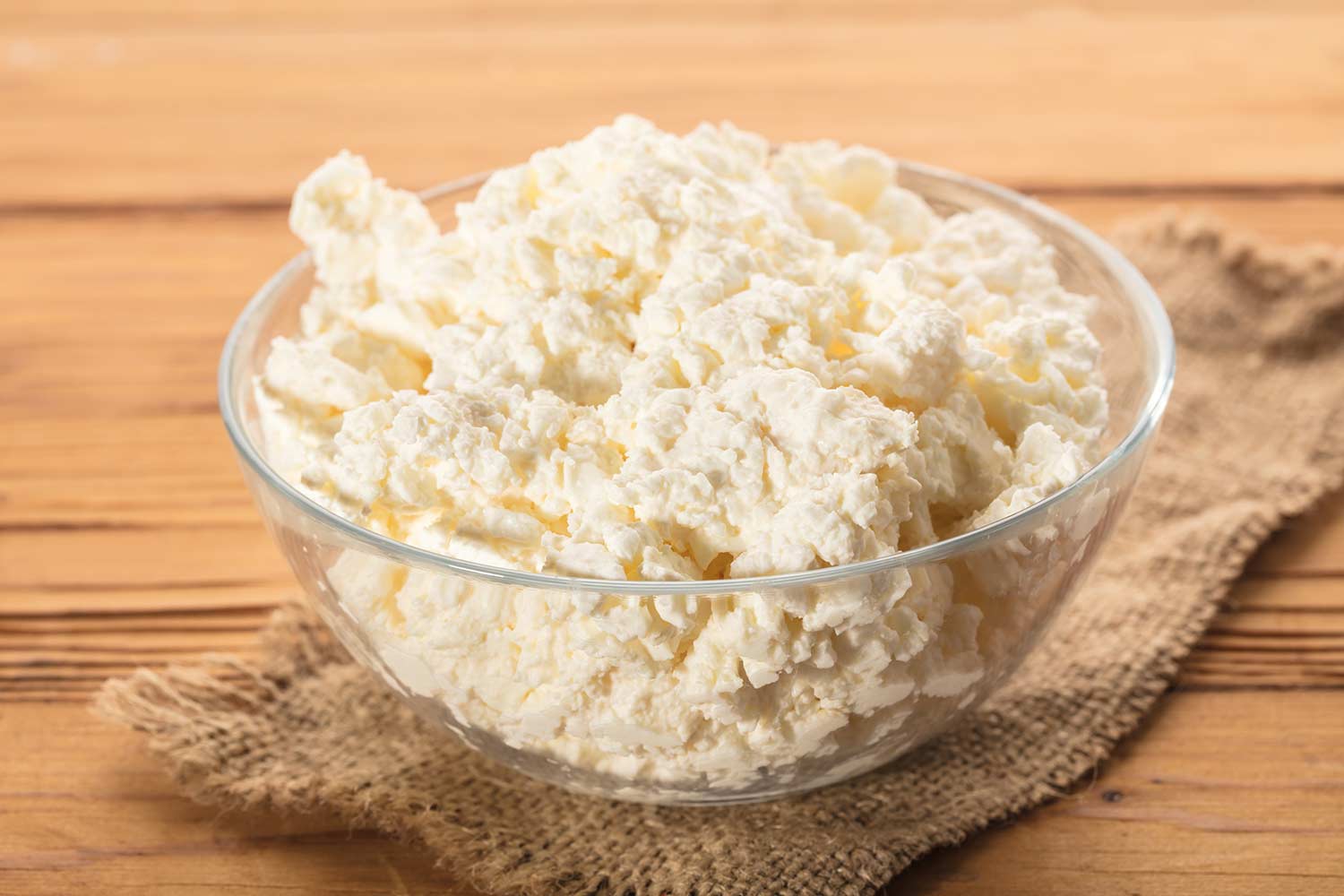
You can now sit back and enjoy your very own dish of Cottage Cheese or just pack it into a sanitized container for the fridge.
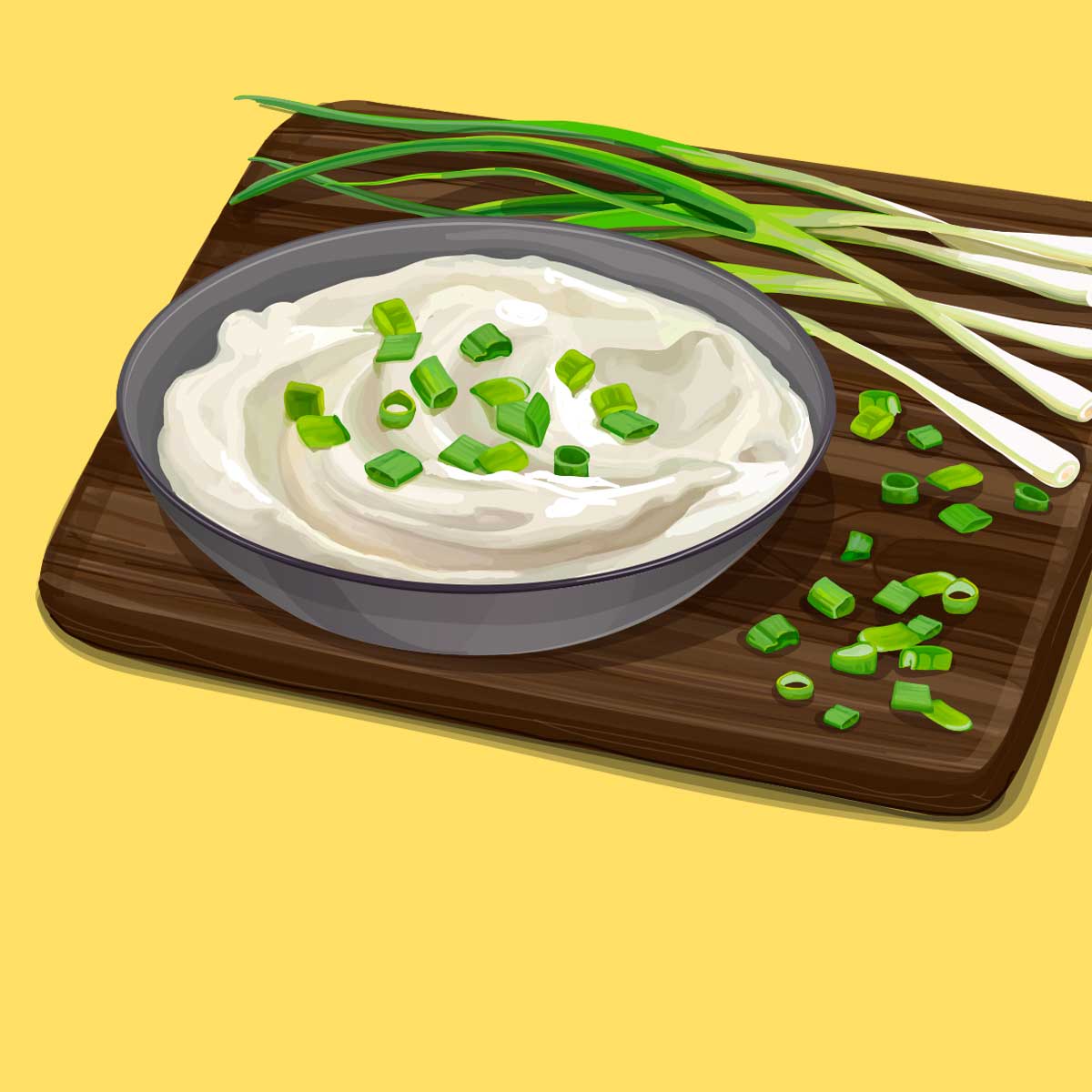
That's it, time for lunch and for me to enjoy a fresh batch of Cottage Cheese with chives and cream added. Yum!
Cheese Making Supplies
Related Products
You May Also Like