




Problems with Ultra Pasteurized milk (UP) and how it affects 30 Minute Mozzarella Cheese. Unfortunately UP milk is here to stay. It is required by law to label the milks as such.
Here is a side by side comparison, if you tried to make cheese from Ultra Pasteurized milk.
Setting and cutting curd
Both of the the batches below have been heated, acidified with citric acid and the curd has formed.
Note the curd from the UP milk on left does seem to form a curd but it is definitely not as well defined as the one on the right from milk that has not been heat damaged.
Some UP milk will not even form this solid a curd and will never resemble much more than ricotta or small curd cottage cheese
Ultra Pasteurized Milk
Standard Pasteurized Milk
Standard Pasteurized Milk
Good curd should be ready for the next step
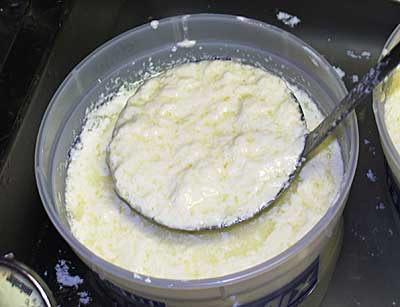
Upon attempting to ladle the curds from the pot, the UP curd simply falls apart into a ricotta like mass, while the good milk forms a nice definite curd.
In these photos you see how well defined the Normal milk holds together and the UP milk has little to no structure.
Ultra Pasteurized Milk
Standard Pasteurized Milk
Standard Pasteurized Milk
Drain problematic curds
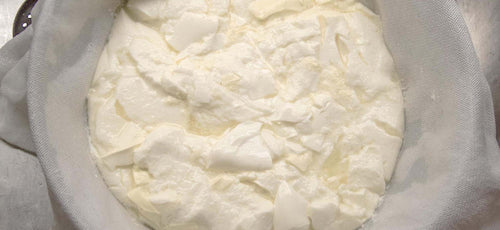
The only way to separate the curds from the UP milk is to drain in a cloth bag, this would be a good place to stop if your results look like this. The normal milk will release it's whey and form a beautiful curd mass.
Ultra Pasteurized Milk
Standard Pasteurized Milk
Standard Pasteurized Milk
The final results
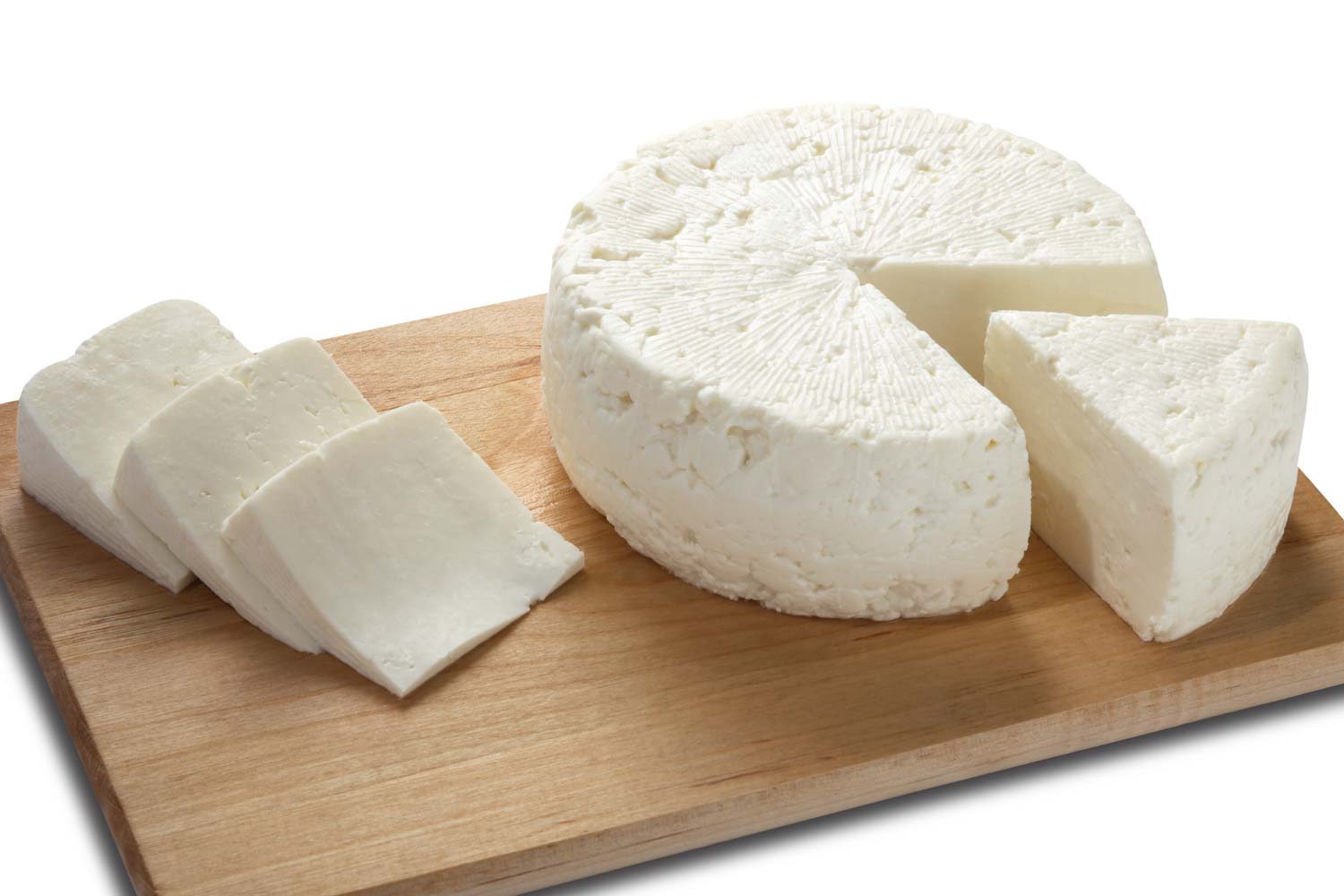
On the left the UP milk forms a dry granular mass which will only crumble (no structure) most of its moisture will be released with very little manipulation, hardly mozzerella as we know it. Whereas the normal milk will form a wonderful cohesive curd which will stretch beautifully, retain much of its moisture and form this beautiful mozzarella.
After the curd has been heated in either hot water or a microwave the real difference in milk become very apparent.
Ultra Pasteurized Milk
Standard Pasteurized Milk