














Making Cheese in Jail

In reading this letter you must keep in mind the fact that this mans only resource was the small cartons of milk he could get from the kitchen and with no culture or rennet this is truly amazing.

In other words ... because he had to use pasterized milk in which natural lactic culture had been destroyed, he actually was forced to isolate the good lactic bacteria from his surroundings to produce cheese.

From his seeing milk curdle on it's own, to determining if the fermentaion went well, to separating the curds and draining the whey, and even to the pressing.
I think we can all learn a lot from the resourcefulness of this man

Hello Ricki,

All of the things we dream up in jail to make are only “like” the real thing, and so I’m sure my cheese can only be classified as “like the real thing.” But when one is deprived of the pleasures of “everyday foods” one finds a way to stretch the imagination through improvising. It’s the simple things of life we often take for granted.

About the whey I use as a starter;
it is collected from an unopened half-pint carton that has rested at room temperature for 48-50 hours. When you open it, it must not smell bad and the block of curd must not be floating, if either sign is present, toss it out. The whey must not taste bad or bitter.

I have found it can be poured into a fresh carton and placed in a couple inches of warm water to persuade the milk to curd. The whey off one carton will set two cartons of milk, which can be done right in the carton.  I set the carton right in the sink in 2” of warm water. The curd should form in 30 minutes, if not leave it in the warm water a few minutes more until it does. The curd is a soft curd and can be drained in a cloth or colander. (If you pour it into milk that is 24 hours old you won’t need to heat it with warm sink water.)

The other thing I’ve tried is to collect the whey, salt it heavily, and age it three more days. It must develop further lactic acids and bacteria because only a few small spoons will curd a carton. Also, the cheese tastes stronger.  We get small packets of salt, probably two pinches worth. In a half-pint of whey I use about 15 packets of salt.

The best way is to just use the curd that forms in the carton after two days. However, if I’m short on milk or if one has gone bad, it’s nice to be able to “set” a fresh carton of milk. The quantity I make is best made from 3 milks; this amount works best for my little press.

Here is the basic process:

I make cheese nearly everyday. I have learned a lot from your book, of course I have had to improvise but I make fresh cheese and have developed Parmesan like cheese. Now other inmates give me their milk to make cheese. Because we have a microwave I have made Ricotta and the microwave Mozzarella (with a little variation). I have enclosed a poem I wrote about cheese, I hope you enjoy it. I hope someday to be able to make cheese using starter and rennet, for now I have to settle with half pint cartons of milk and natural whey.

Let a few ½ pint cartons rest for 48 hours. When opened there should be a small cube of curd formed at the bottom. (If it’s floating or smells bad, throw it out.) Pour off the whey and dump the curd into a drainer. (I use a small Styrofoam bowl with small holes made with a pencil, stack it in another bowl to catch the whey and cover it.) Turn the curd every so often, about every 15 minutes. When it firms up you can cut it to help it drain. After 2-3 hours, smash it in a bowl, salt it to taste and then press it. Turn it often. After an hour or two I take it out and let it rest on a few pencils (the drying “rack”!)  It’s ready! It’s soft and a lot like Queso Fresco-we just call it queso. We crumble it on burritos or slice it with crackers.

The other “like” cheeses all start out the same but once the “cube” of curd firms the variations start.

“MOZZARELLA LIKE”

Microwave- Put the cube into a bowl and heat it for a few seconds, check it and drain the bowl. Repeat process until it softens, work in salt to taste, heat it another time if it need it, then let it cool.  (Work it with spoons.)

Non Microwave- Keep draining the curd until you can cube it ½” by ½”. Put the cubes in bowl and add hot water (real hot, like water for coffee) press it together with spoons and work in salt to taste.

This is tricky and both ways take effort and practice.

“CHEDDAR LIKE”

Put the curd cubes in a plastic cereal bowl and float it in warm water in the sink (I imagine around 100-110 degrees) Drain the whey and cube curd into ½” cubes as it begins to firm up. Stir gently and drain over 30 minutes. Drain the curds thoroughly and salt to taste. Hang them in a cloth for 30 minutes then press for about 2-3 hours, turning every 30 minutes. Dry for 1 hour.

“PARMESAN LIKE”

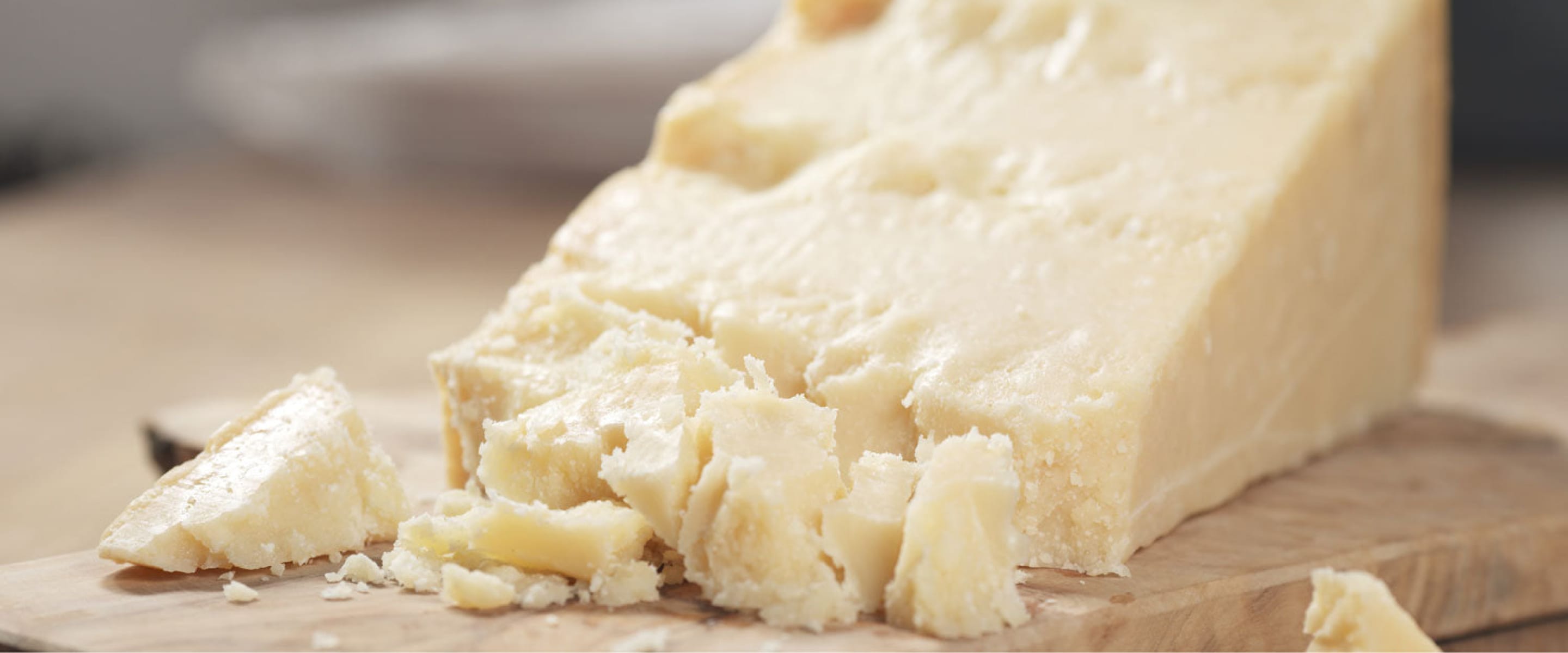
Drain the cube until firm, about 3-4 hours. Mash in a bowl until smooth and add to taste a season packet from a Ramen soup. The best is Cajun Shrimp but Chicken works well also. Press it pretty dry and then mill it by pinching it into flakes. As the flakes dry out, check them and keep milling it into Parmesan texture. Let it dry thoroughly (over night). It can be kept in a sealed container for a couple of weeks-it ages. (If it is moist, it will spoil.) Milling takes time but it can be done while reading a good book. Sprinkle on foods and soups or just take a pinch between cheek and gum!

“RICOTTA”

Microwave the whey, but don’t boil it, then after 4-5 minutes of keeping it a high temperature, strain it through a cloth.

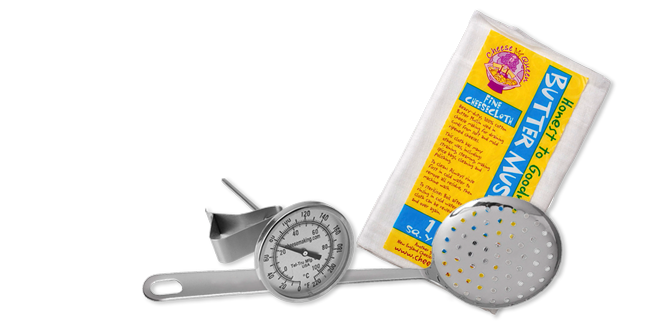
“EQUIPMENT”

Drainer (colander):

2 Styrofoam cereal bowls, one with holes made by a pencil, the other to catch the whey. They stack and come with a lid.

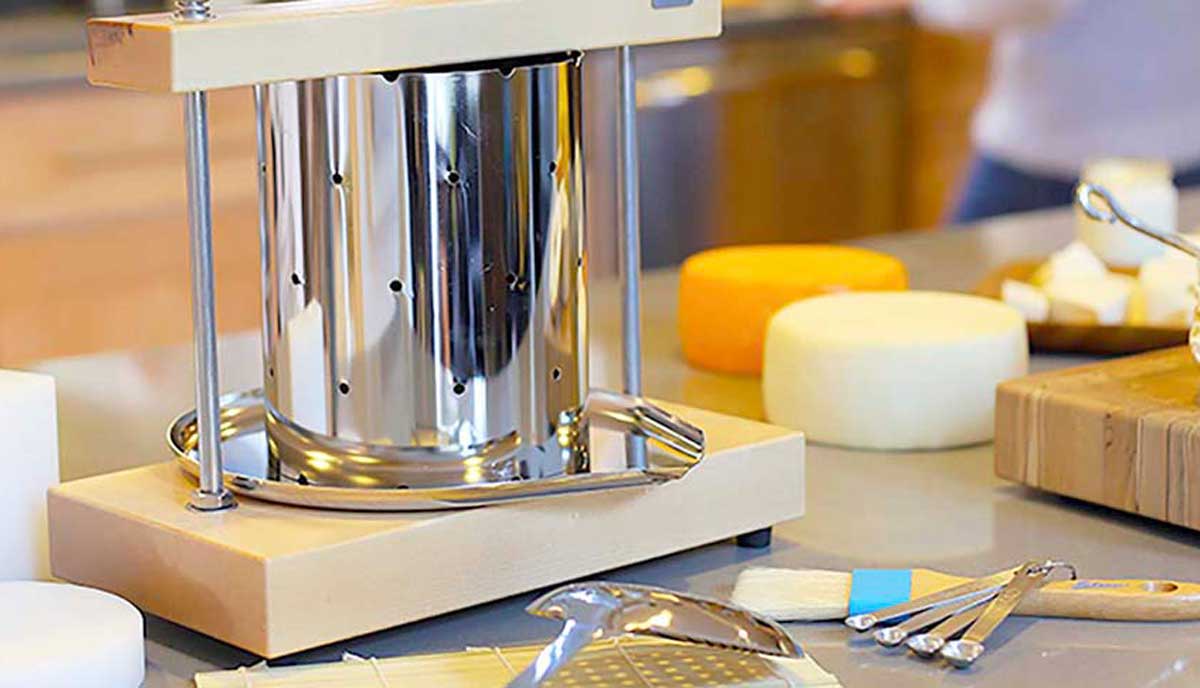
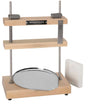
Press:


You can form the cheese in a lid, like the lid off a cereal bowl. Then use a cloth or paper bag direct on the cheese. Turn this over on absorbent paper and weight it with a cup of water or books.

Once the cheese dries some, remove the mold (lid)

and press between absorbent papers until dry. Make sure that everything is clean, including your hands.

Most jails would frown on making cheese, so don’t do it if it will cause you more trouble.


Thank you for your kind response. You are welcome to use the poem I wrote

CHEESE

Cheese
Was made
By hand
Since mammals were first milked
Some millennium ago

Cheese is alive
With a life of its own
It forms flavor that favors
And ages with grace

In the hands of its maker
It represents the mingling
Of culture and creativity
Fueled by natural influences
Of its origin and surroundings

It brings substance to the palate
And tells the tale of textured taste

Some millennium ago
Since mammals were first milked
By hand
Was made
Cheese.


Our most recent letter from this gentleman

Hello Ricki,

            Maybe you remember me, I wrote to you from jail about making cheese. (You sent me a book; I hope the man I gave it to is making cheese.)

            I’m now transferred to a Federal Correctional Institute. I wanted to ask you if you would send me another catalog. There is some interest here about making cheese.

            The Mexicans have shown me how to make their cheese. They get the milk boiling in the microwave (that’s all we have to cook with) then they add the vinegar, ¼ c. to 1 gallon milk. Stir gently; once the separation occurs, they put it back in the microwave and boil until the curds come to the top- then let it sit 5-10 minutes to cool, (allow the curds come together) then pour off the whey. Continue pouring a few minutes, lightly pressing the curds with a spoon (since we have no cheese cloth.) They tip the bowl a little and let it set. In about 5-10 minutes, it’s ready to break into small pieces, salt and mold into a nice round of cheese.

            I’m working in the education department. Maybe someday I can see if they will let me do a class on cheesemaking.

            Hope all is well with your business. Thank you for your time.