












Propionic Shermanii (Swiss)
Description
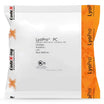
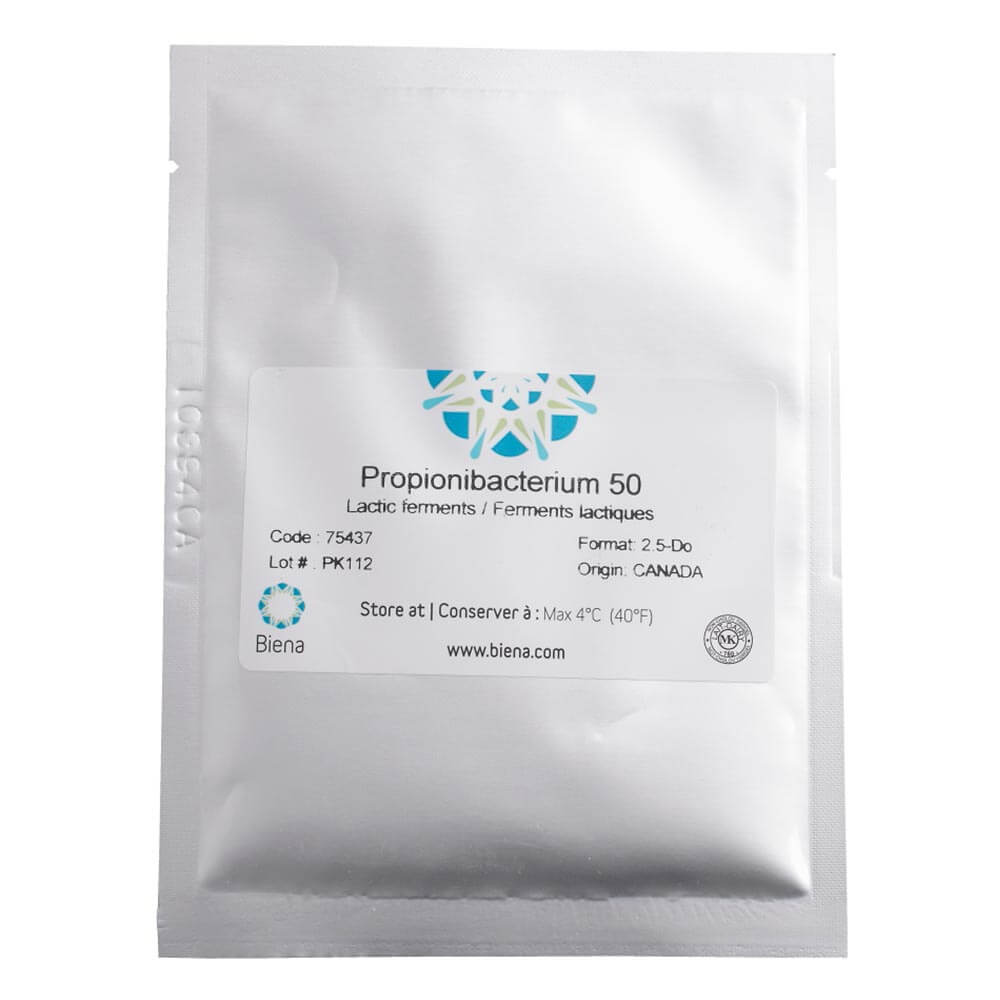
Propionic Shermanii (Swiss) produces the characteristic eyes, aroma and flavor associated with Swiss, Gruyere and Emmenthal style cheese.
This is not an acid producing culture and needs to be used in conjunction with a Thermophilic or Mesophilic culture to convert lactose and produce acid for proper cheese making.
The success of this culture depends on a warm aging period after an initial short ripening period. Details for this process should be included in recipes that call for this culture.
Details
Ingredients
- Propionibacterium freudenreichii subsp. shermanii
Storage
Store in the freezer
Size
2.5 DCU
Yield
300 gallons when adding 1/16 tsp to 1-3 gallons of milk
Brand
Biena
Kosher Info
Kosher certificate available upon request
Allergens
| Yes | No | Allergens | Description Of Components |
|---|---|---|---|
| X | Peanuts | ||
| X | Tree Nuts | ||
| X | Sesame | ||
| X | Milk | ||
| X | Eggs | ||
| X | Fish | ||
| X | Crustaceans | ||
| X | Shellfish | ||
| X | Soy | ||
| X | Wheat | ||
| X | Triticale | ||
| X | Mustard | ||
| X | Sulfites |
Directions
Add 1/16 teaspoon directly to 1-3 gallons of milk.
Note: The amount to use will vary depending on the type of cheese being made.
365-Day Happiness Guarantee
Helping Cheese Makers Since 1978
Description
Propionic Shermanii (Swiss) produces the characteristic eyes, aroma and flavor associated with Swiss, Gruyere and Emmenthal style cheese.
This is not an acid producing culture and needs to be used in conjunction with a Thermophilic or Mesophilic culture to convert lactose and produce acid for proper cheese making.
The success of this culture depends on a warm aging period after an initial short ripening period. Details for this process should be included in recipes that call for this culture.
Details
Ingredients
- Propionibacterium freudenreichii subsp. shermanii
Storage
Store in the freezer
Size
2.5 DCU
Yield
300 gallons when adding 1/16 tsp to 1-3 gallons of milk
Brand
Biena
Kosher Info
Kosher certificate available upon request
Allergens
| Yes | No | Allergens | Description Of Components |
|---|---|---|---|
| X | Peanuts | ||
| X | Tree Nuts | ||
| X | Sesame | ||
| X | Milk | ||
| X | Eggs | ||
| X | Fish | ||
| X | Crustaceans | ||
| X | Shellfish | ||
| X | Soy | ||
| X | Wheat | ||
| X | Triticale | ||
| X | Mustard | ||
| X | Sulfites |
Directions
Add 1/16 teaspoon directly to 1-3 gallons of milk.
Note: The amount to use will vary depending on the type of cheese being made.
Have a question? We're here for you.