









Ricki's Basic Cheese Making Kit
Description
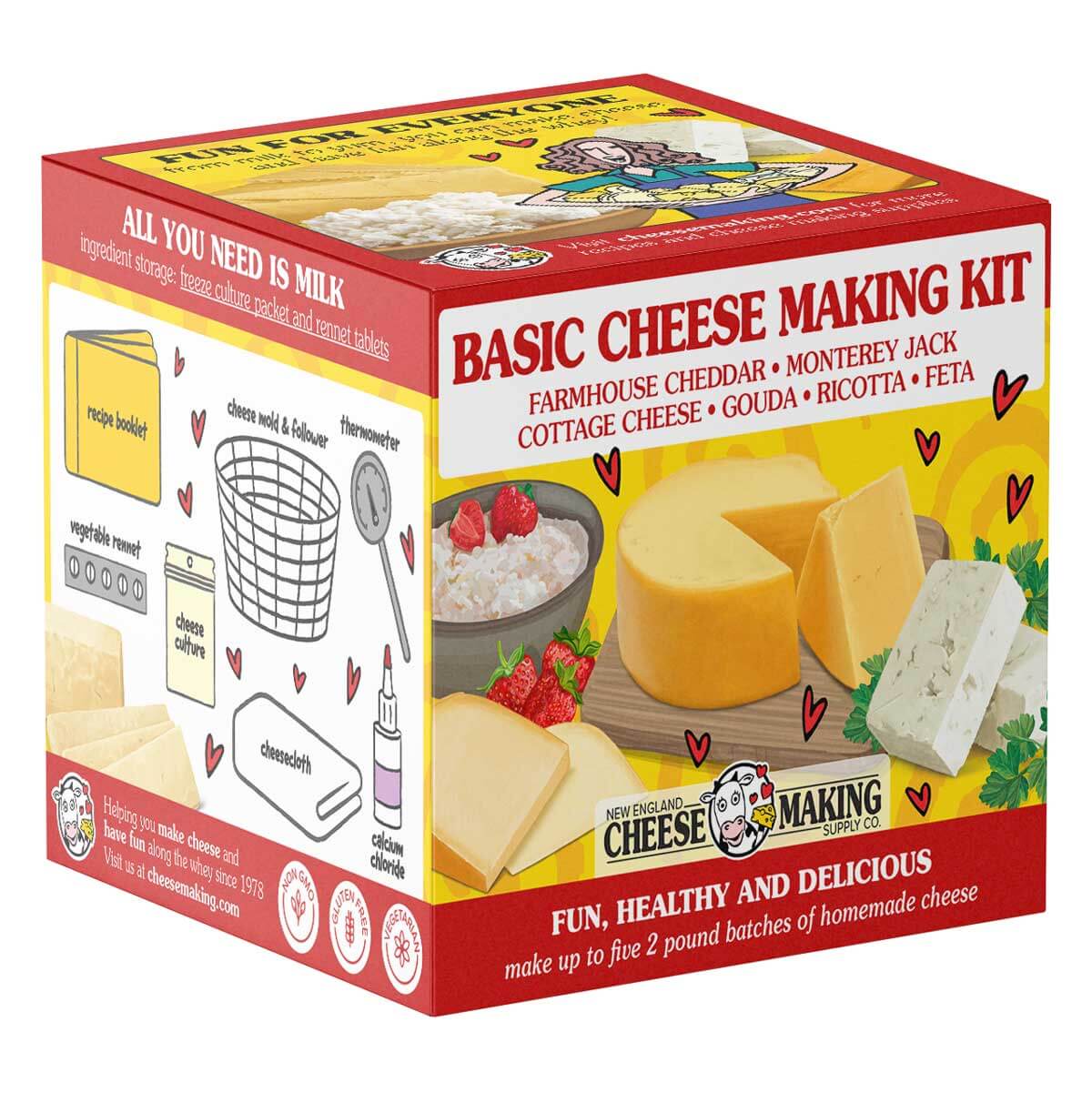
Discover the joy of making your own cheese at home with Ricki’s Basic Cheese Making Kit! Whether you're looking for a new hobby, a fun family activity, or simply the satisfaction of making something from scratch, this kit has everything you need to get started. Easily create six different types of cheese—Farmhouse Cheddar, Gouda, Monterey Jack, Feta, Cottage Cheese, and Ricotta—right in your own kitchen.
Why You’ll Love It:
- Perfect for Beginners – No experience needed—just follow the simple, step-by-step instructions.
- All-in-One Kit – Comes with the essential ingredients and equipment—just add milk!
- Create Lasting Memories – A fun activity for all ages, perfect for families, friends, or solo foodies.
- Endless Delicious Possibilities – Experiment with flavors, aging, and texture to make each batch your own.
- A Great Gift for Food Lovers – Ideal for anyone who enjoys hands-on kitchen projects and artisan foods.
Start your cheese making journey today—homemade cheese has never been this easy, rewarding, and delicious!
Details
Contains
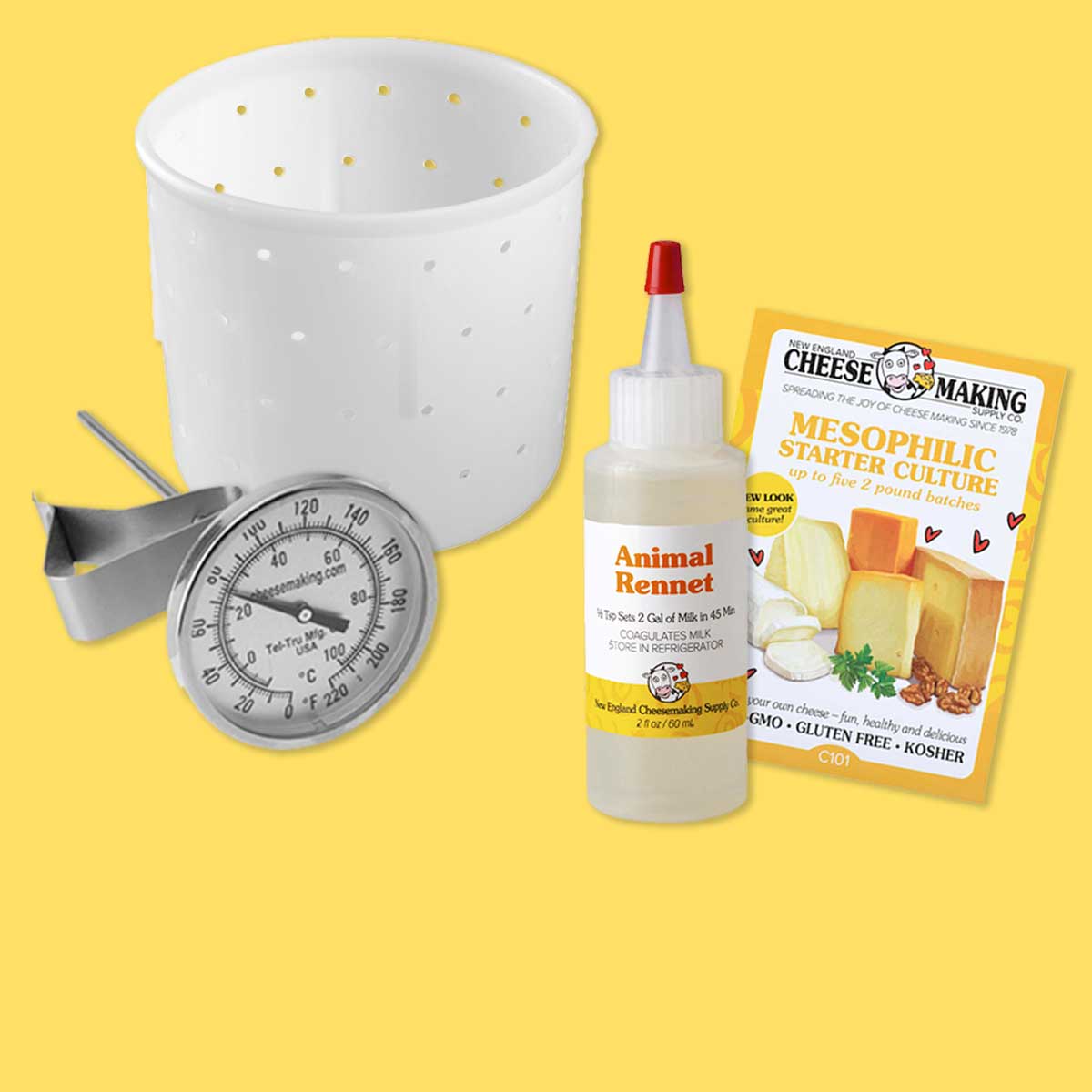
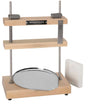
- Basket cheese mold and follower
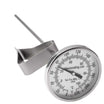
- Dairy thermometer
- 1 yd Cheesecloth
- Mesophilic starter culture
- 5 Vegetable rennet tablets
- 1 oz Calcium chloride
- Recipe booklet
Features
- Make 6 different types of cheese
- Great for beginners
- Additional recipes included for using cheese
Storage
Starter culture and rennet tablets should be stored in the freezer.
Calcium chloride should be stored, tightly sealed, in a cool location away from direct sunlight.
Brand
New England Cheesemaking Supply Company
365-Day Happiness Guarantee
Helping Cheese Makers Since 1978
Description
Discover the joy of making your own cheese at home with Ricki’s Basic Cheese Making Kit! Whether you're looking for a new hobby, a fun family activity, or simply the satisfaction of making something from scratch, this kit has everything you need to get started. Easily create six different types of cheese—Farmhouse Cheddar, Gouda, Monterey Jack, Feta, Cottage Cheese, and Ricotta—right in your own kitchen.
Why You’ll Love It:
- Perfect for Beginners – No experience needed—just follow the simple, step-by-step instructions.
- All-in-One Kit – Comes with the essential ingredients and equipment—just add milk!
- Create Lasting Memories – A fun activity for all ages, perfect for families, friends, or solo foodies.
- Endless Delicious Possibilities – Experiment with flavors, aging, and texture to make each batch your own.
- A Great Gift for Food Lovers – Ideal for anyone who enjoys hands-on kitchen projects and artisan foods.
Start your cheese making journey today—homemade cheese has never been this easy, rewarding, and delicious!
Details
Contains
- Basket cheese mold and follower
- Dairy thermometer
- 1 yd Cheesecloth
- Mesophilic starter culture
- 5 Vegetable rennet tablets
- 1 oz Calcium chloride
- Recipe booklet
Features
- Make 6 different types of cheese
- Great for beginners
- Additional recipes included for using cheese
Storage
Starter culture and rennet tablets should be stored in the freezer.
Calcium chloride should be stored, tightly sealed, in a cool location away from direct sunlight.
Brand
New England Cheesemaking Supply Company
Have a question? We're here for you.