




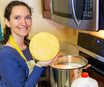

Cheese Making Workshop 201
Instructor: Jim Wallace
Location: 11 High Street, Shelburne Falls, MA 01370
Description
This workshop is for anyone wanting to get to the next step in cheese making. Whether a home cheese maker, small farmstead, chef, or simply a cheese lover wanting to know more, you can learn how to make a fabulous range of semi-soft and hard cheese.
Beginning with raw materials, milk culture and rennet, we talk about their roles, then move through the individual cheese making steps, and learn how cheese can be aged to perfection.
From this class you will have the background to make many of the delicious cheeses you find at the store.
Cancellations made more than 30 days before the scheduled workshop date will be refunded in full.
Course Includes
- Two day class from 9:00am to 4:00pm
- Delicious lunch each day
- Tasting and discussing various styles of cheese
- Making Brie/Camembert, Traditional Cheddar and Vacha Toscano
Topics Covered
- Equipment and tools needed for cheese making
- Space requirements for home and small dairies
- Types of milk and how they are different to work with
- Types of culture, their characteristics, and how to use them
- Monitoring the process by pH and acid titration measurement
- Control of final acidity and moisture content of cheese
- Salt application and how it changes the cheese
- Wax vs natural rinds
- Aging conditions and how to set up and maintain a simple cave
Types of Cheese
Specific Types of Cheese Being Covered
Camembert/Brie
The secrets of this buttery beauty we all love is really accomplished in the final stages of draining and aging. We will be going into the details of getting that white cover and the silky soft texture we need.
Traditional Cheddar
This is the real deal where we go through the process of cutting the ripening curds into slabs and finish with a cheese either ready to wax or cover with a cloth bandage (traditional English process). We will also discuss the role that moisture variation makes in ripening and flavor development.
Vacha Toscano
The name here is simply cows milk cheese from Tuscany. It is a simple Tomme or Toma style cheese produced by villages throughout the world . This is the cheese I would make if I had to make just one. With variation in process it can be made to be eaten in 10 days or aged for months to years. It takes pepper, herb, and spice additions extremely well and can be made from cow, goat, or ewes (pecorino) milk.
Details
If you have taken our 101 cheese making class, or have already started making cheese at home and would like to improve your craft, Jim will lead you there during this class. This is a two day workshop and runs from 9am-4pm on both Saturday and Sunday.
This workshop is for anyone who wants to get to the next step in cheese making, learning to make a range of fabulous semi-soft and hard cheeses. Whether you are a home cheese maker, small farmstead, chef, or you just really love cheese and want to know more about it, this is the class for you.
We will begin with the raw materials (milk-culture-rennet), talk about their roles, move on through the individual steps (the How and Why!), and learn how they can be aged to perfection.
At the end of the two days, Jim will have taken you through this process making three very different cheeses, you will have tasted a lot of really great cheese and generally had a really fun-tabulous time.
From this class you will have the background to move ahead into making many of the delicious cheeses you find at the store and your neighbors will hunger for more when you serve your sumptuous new delights.
Have a question? We're here for you.
Cheese Making Recipes
Recommended Recipes
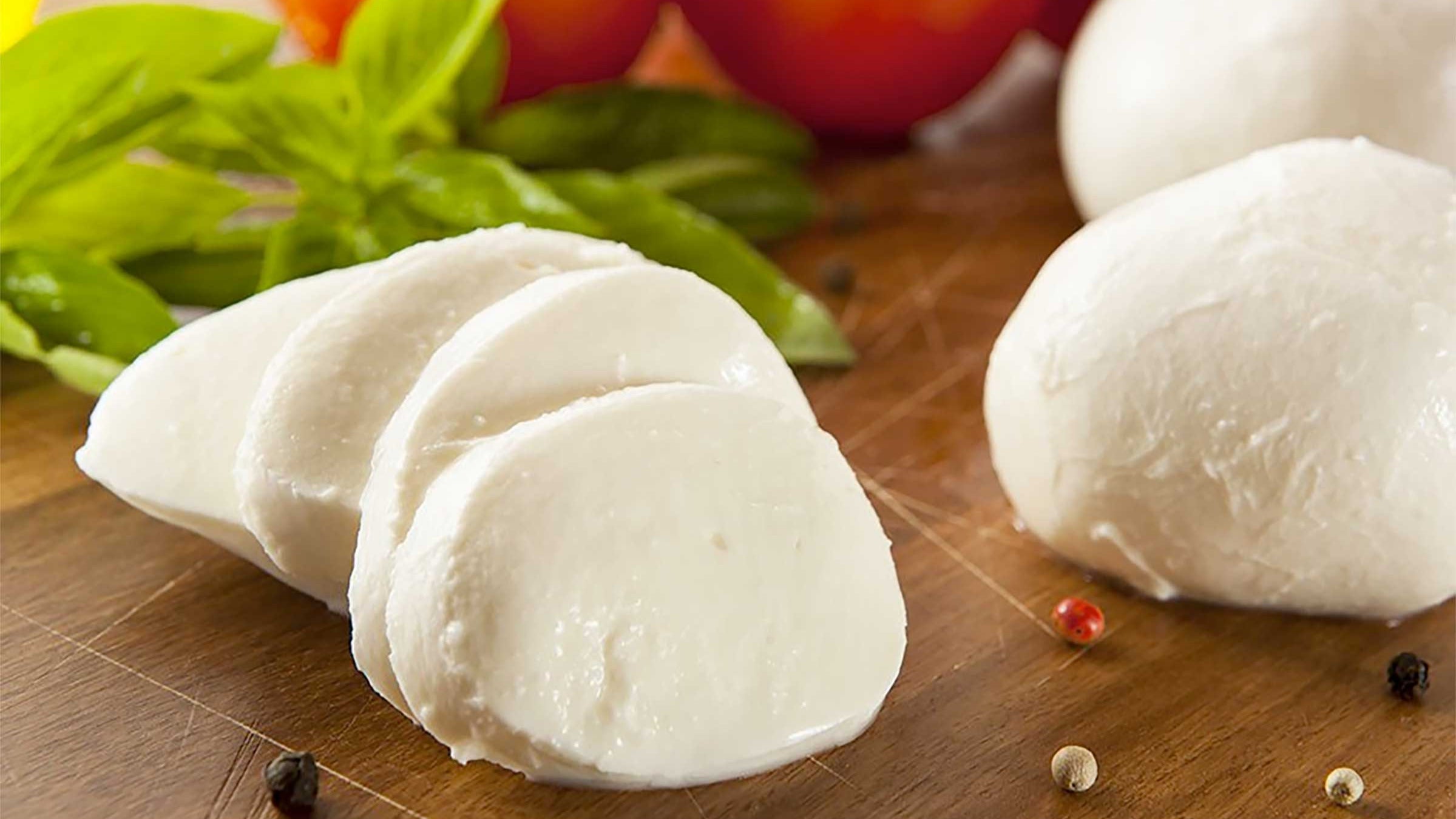
Learn how to make 30 Minute Mozzarella, in your own kitchen. With just a...
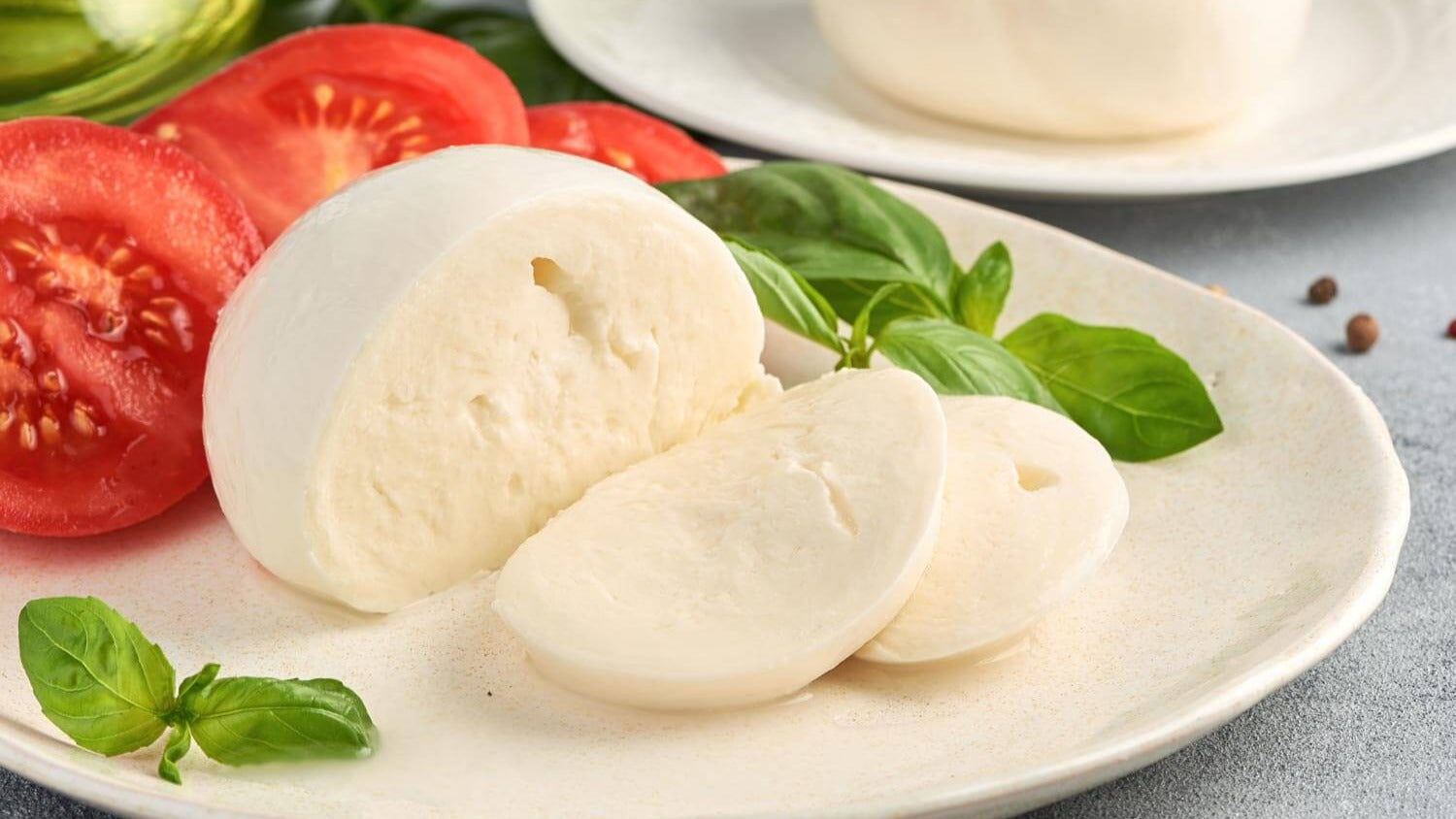
Make 30 Minute Mozzarella right at home with a simple water batch method...
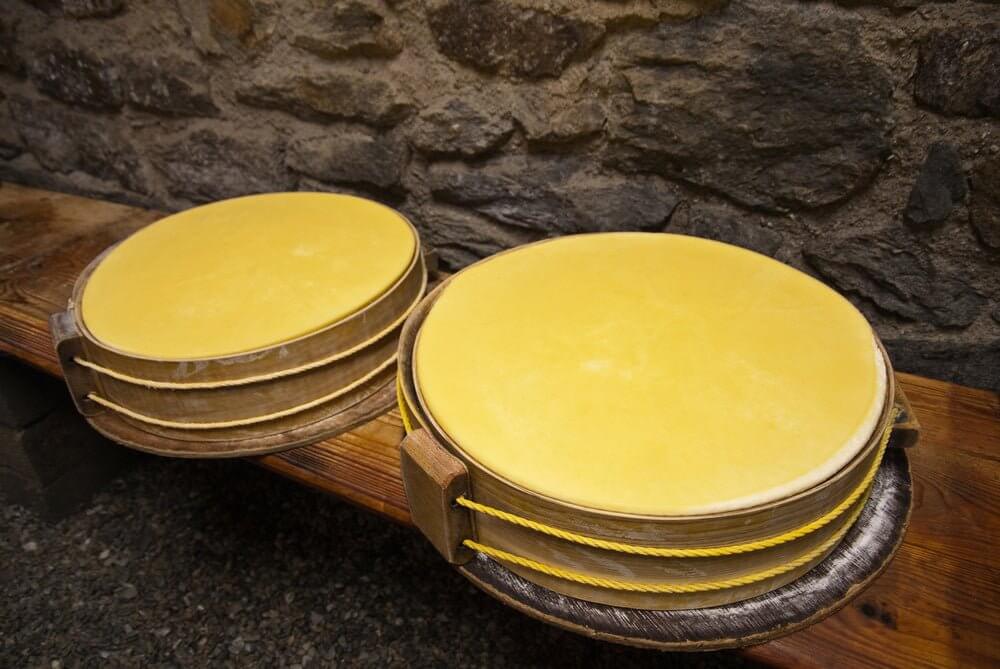
This wonderful recipe goes above and beyond traditional Alpine style che...
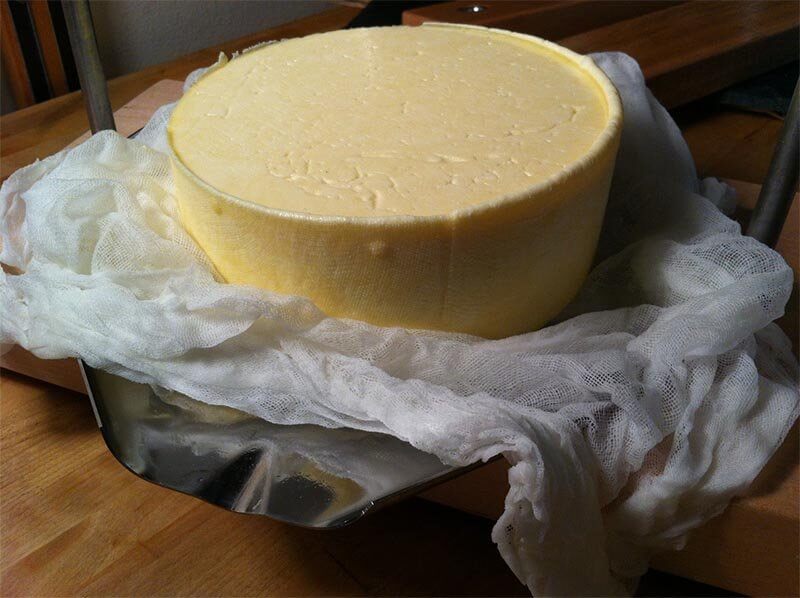
This recipes focus is on making an Alpine style cheese, but not followin...
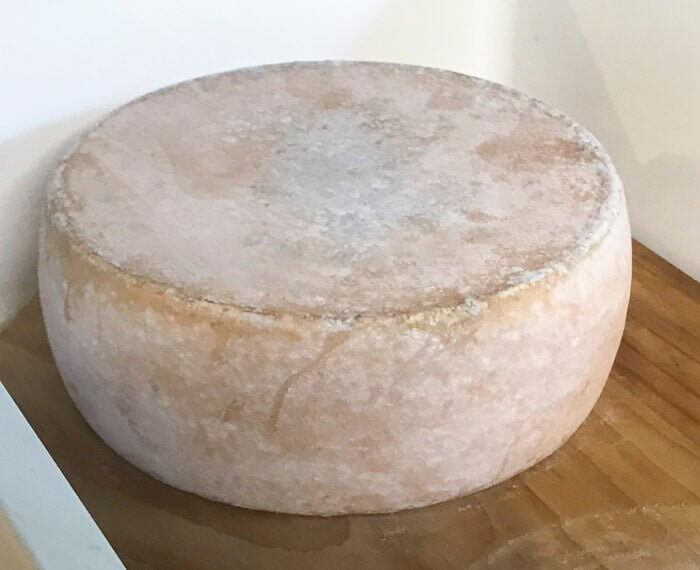
This Washed Rind Alpine Cheese recipe is based on an alpine style cheese...
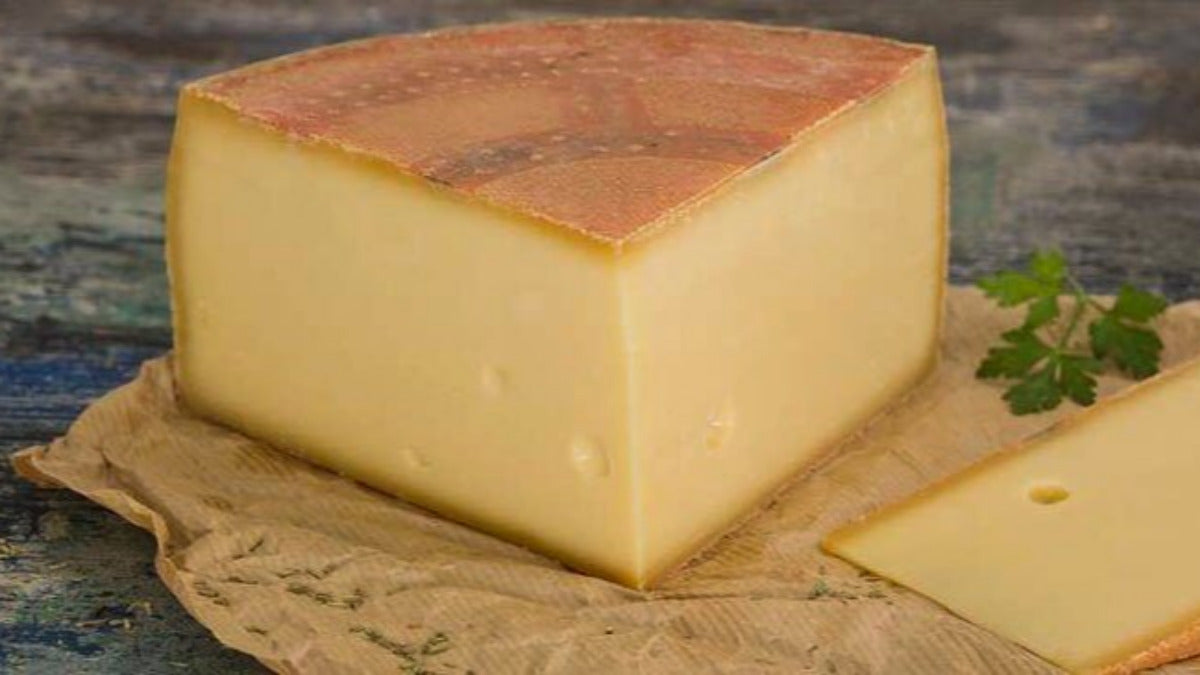
This is a recipe for making an Appenzeller style cheese. Since we don't ...
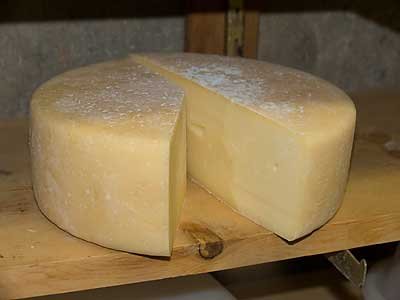
This recipe for fresh Asiago dolce or fresco, also known as Pressato is ...
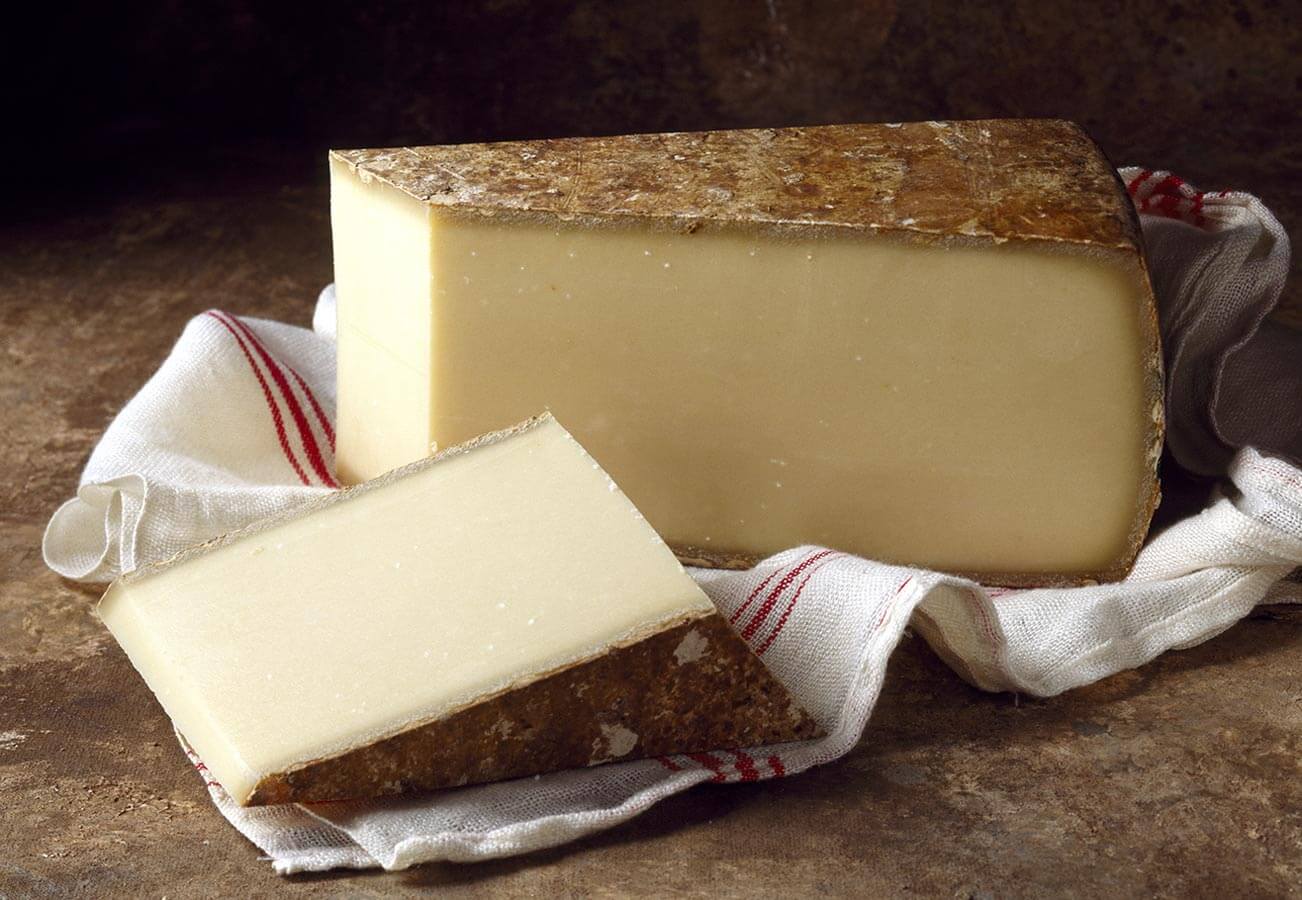
Beaufort cheese is produced in the Tarentaise mountains surrounding Mt. ...
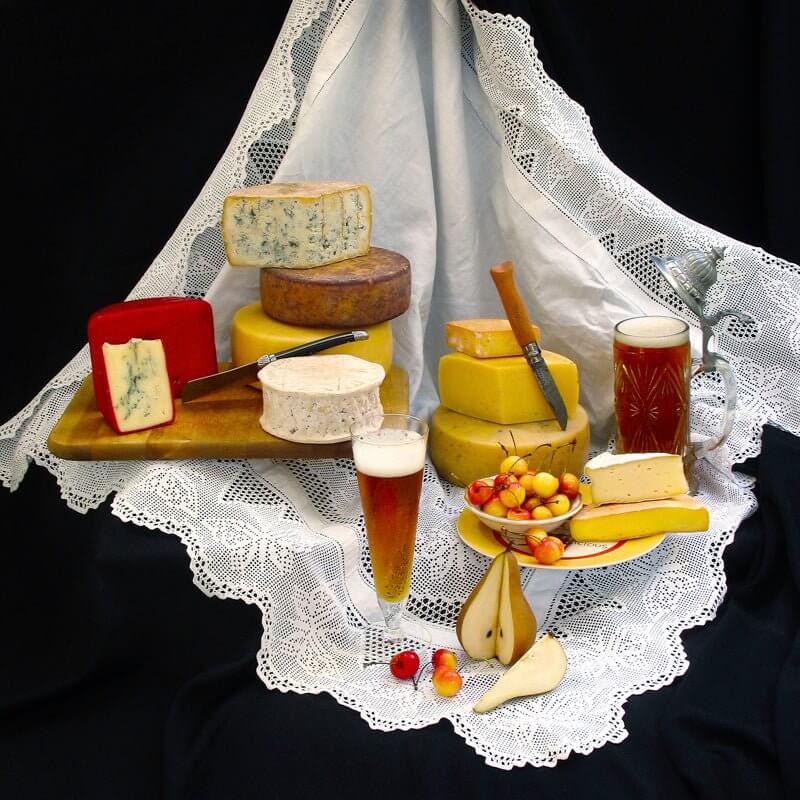
This cheese making recipe combines beer and cheese together. The result ...
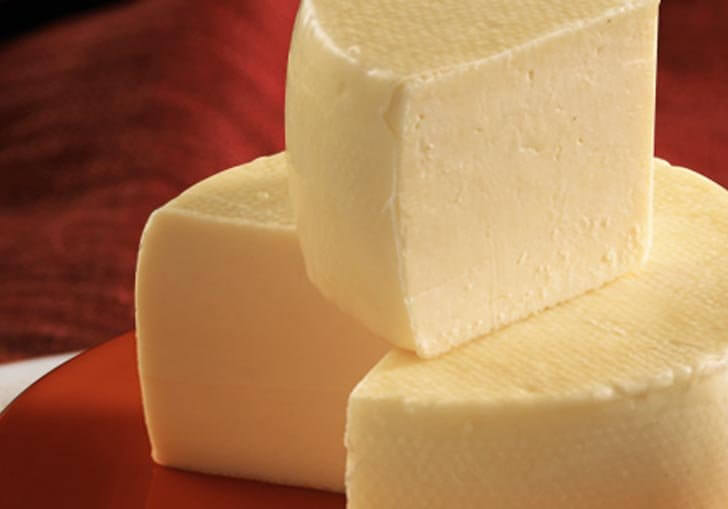
Bel Paese is a very fresh cheese that goes well with everything. Loved b...