





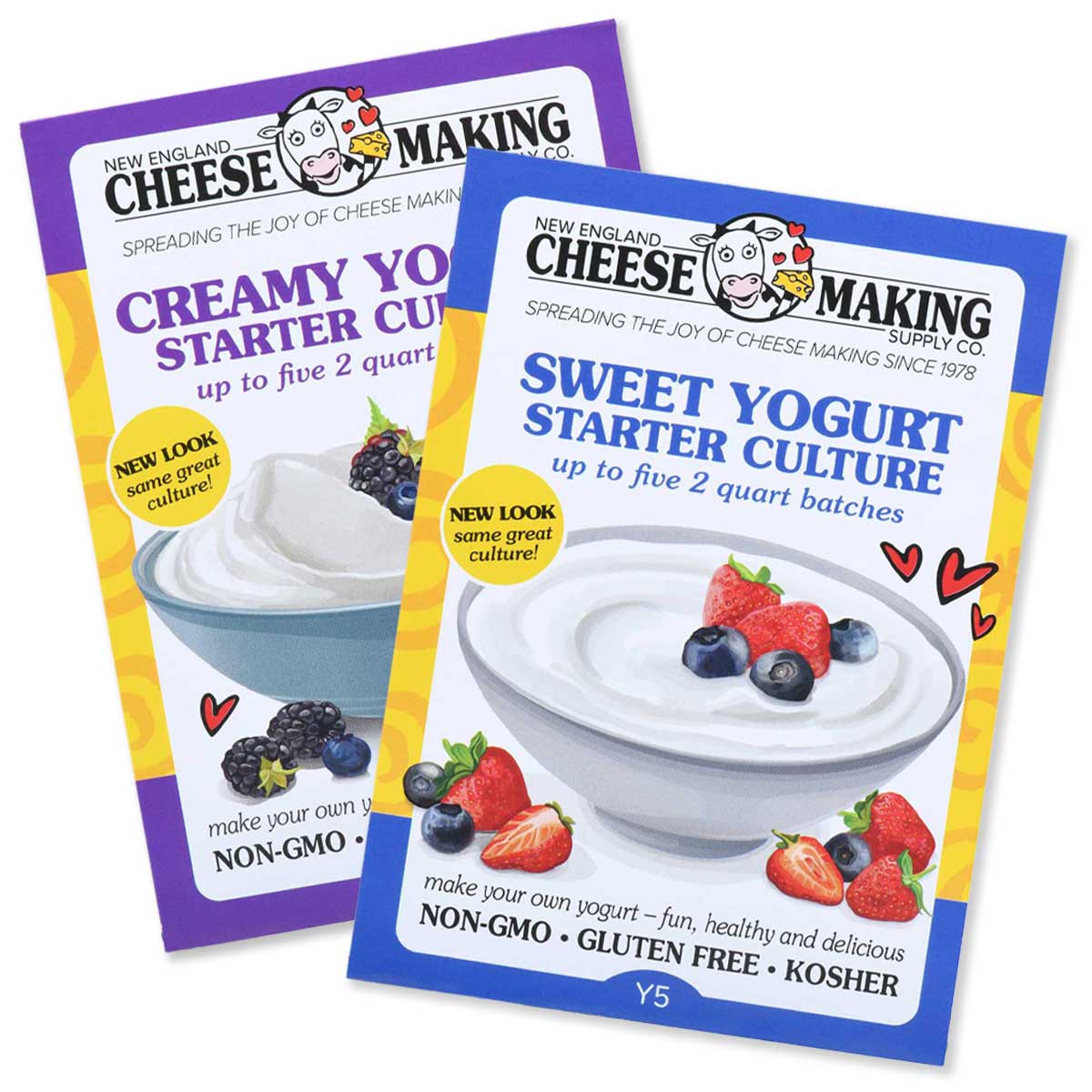
Yogurt Starter Culture Sample Pack
Description
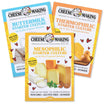
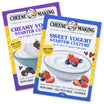
This yummy yogurt sample pack includes two different types of yogurt cultures, Sweet and Creamy. With a variety of our top selling yogurt cultures, this is a great way to sample different yogurt cultures to find your favorite.
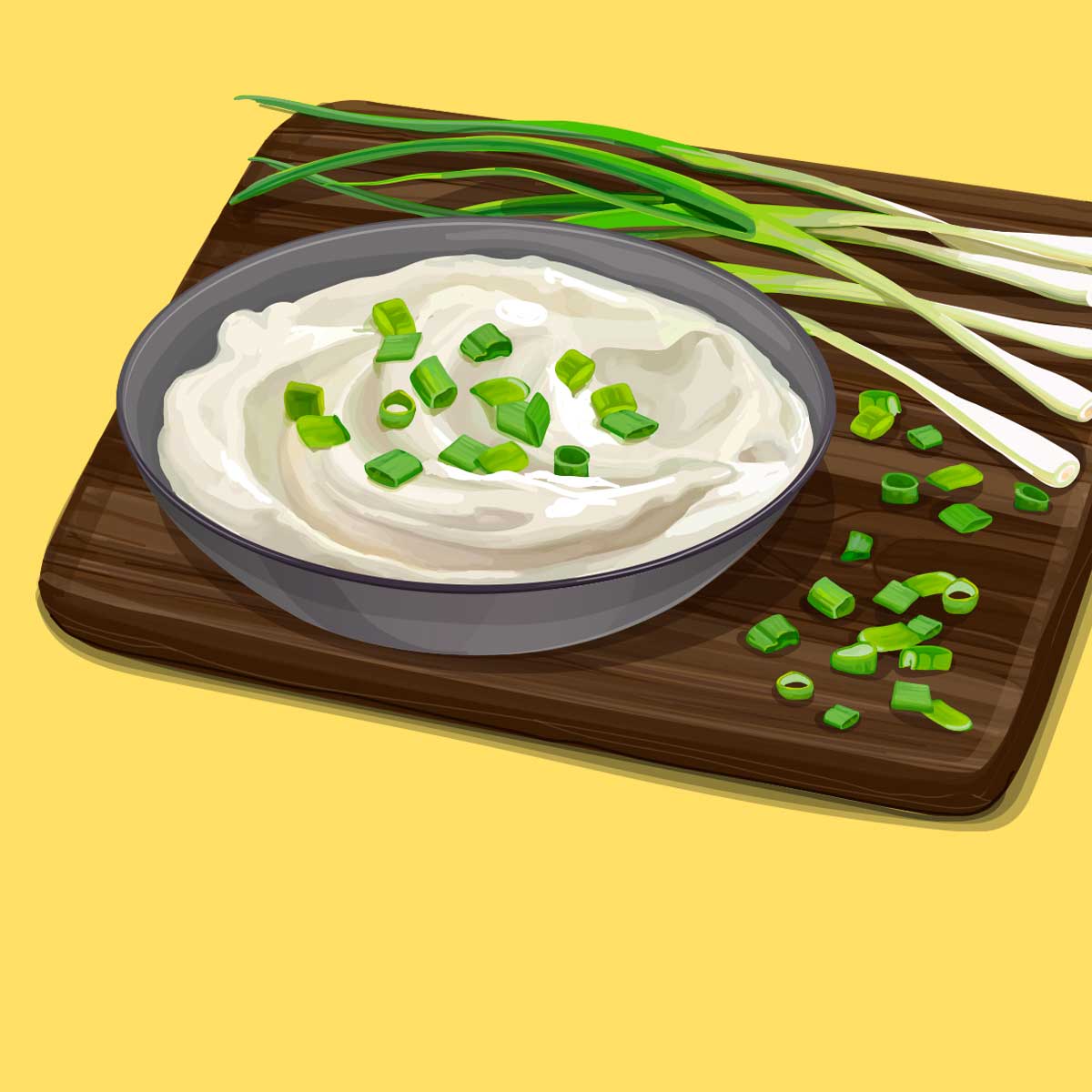
Homemade yogurt is more economical than comparable store bought varieties and with only two ingredients, milk and culture, you can enjoy fresh, probiotic rich yogurt without any additives.
Details
Contains
Storage
Store in the freezer
Yield
Ten 1 to 2 quart batches
Allergens
| Yes | No | Allergens | Description Of Components |
|---|---|---|---|
| X | Peanuts | ||
| X | Tree Nuts | ||
| X | Sesame | ||
| X | Milk | ||
| X | Eggs | ||
| X | Fish | ||
| X | Crustaceans | ||
| X | Shellfish | ||
| X | Soy | ||
| X | Wheat | ||
| X | Triticale | ||
| X | Mustard | ||
| X | Sulfites |
365-Day Happiness Guarantee
Helping Cheese Makers Since 1978
Description
This yummy yogurt sample pack includes two different types of yogurt cultures, Sweet and Creamy. With a variety of our top selling yogurt cultures, this is a great way to sample different yogurt cultures to find your favorite.
Homemade yogurt is more economical than comparable store bought varieties and with only two ingredients, milk and culture, you can enjoy fresh, probiotic rich yogurt without any additives.
Details
Contains
Storage
Store in the freezer
Yield
Ten 1 to 2 quart batches
Allergens
| Yes | No | Allergens | Description Of Components |
|---|---|---|---|
| X | Peanuts | ||
| X | Tree Nuts | ||
| X | Sesame | ||
| X | Milk | ||
| X | Eggs | ||
| X | Fish | ||
| X | Crustaceans | ||
| X | Shellfish | ||
| X | Soy | ||
| X | Wheat | ||
| X | Triticale | ||
| X | Mustard | ||
| X | Sulfites |
Have a question? We're here for you.