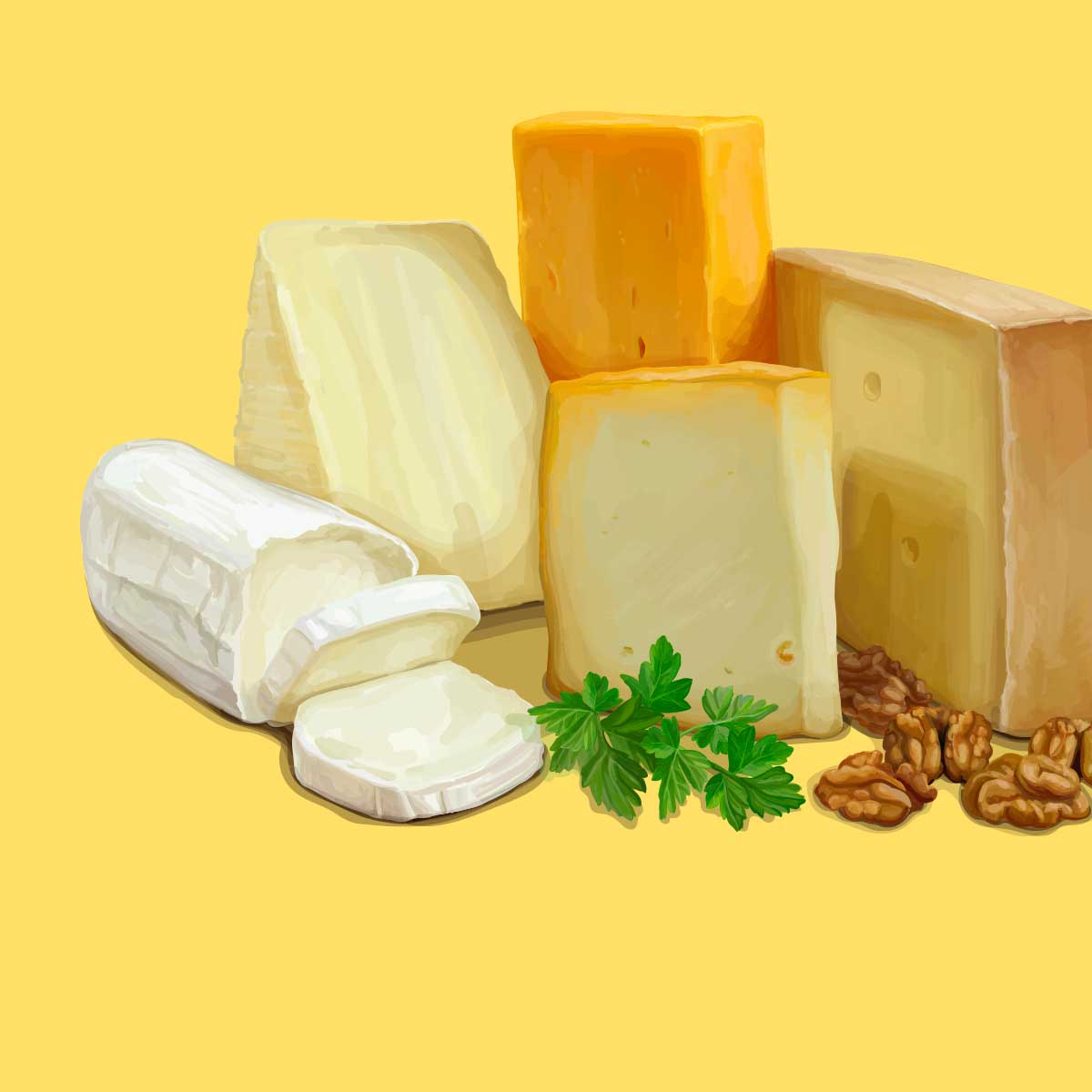
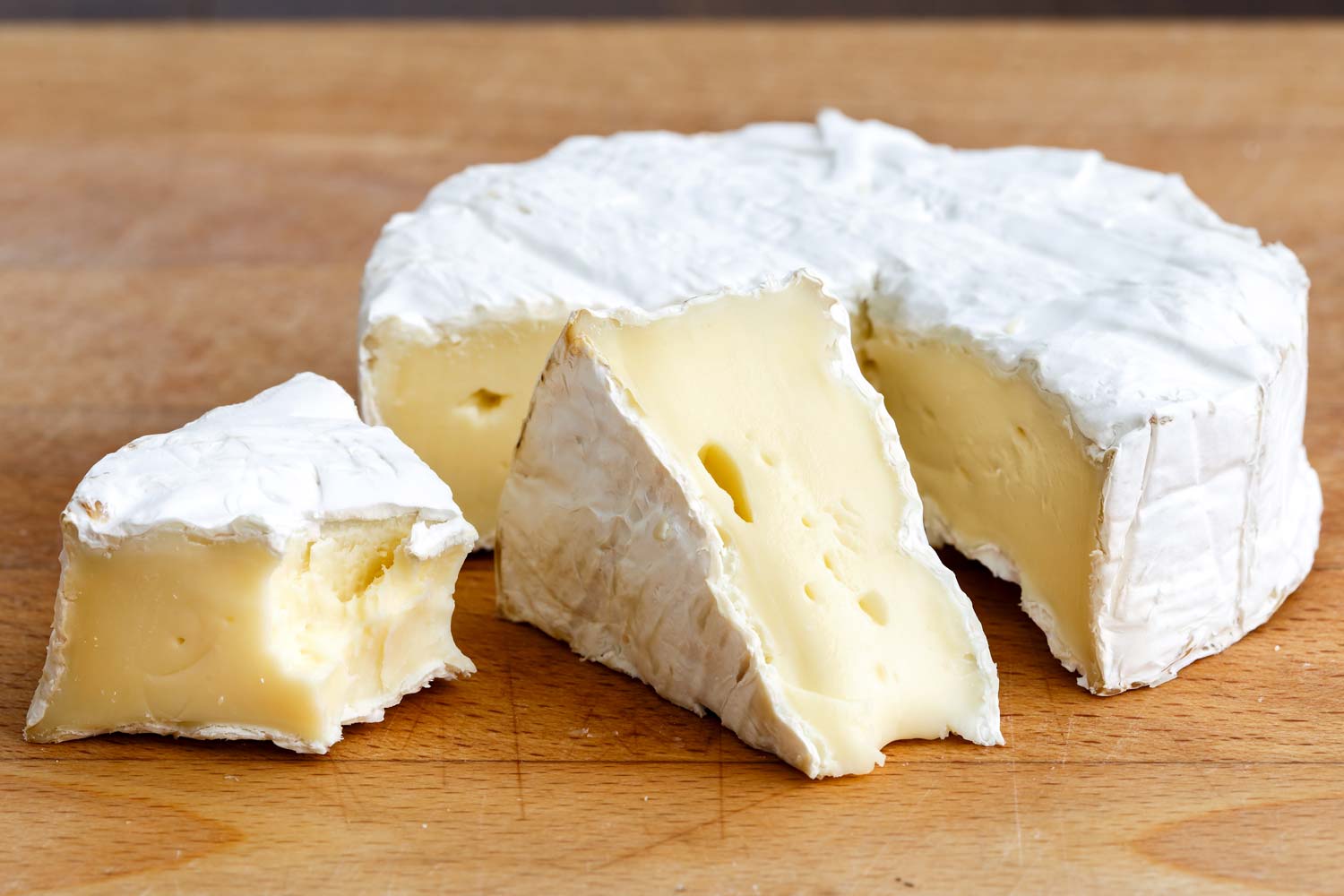
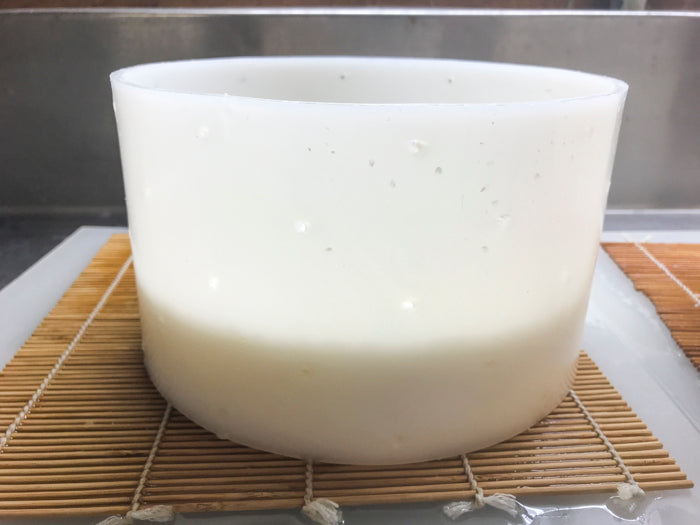
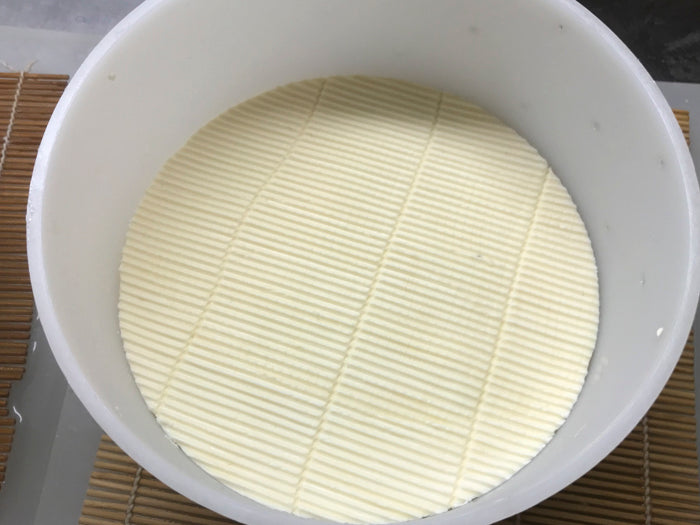
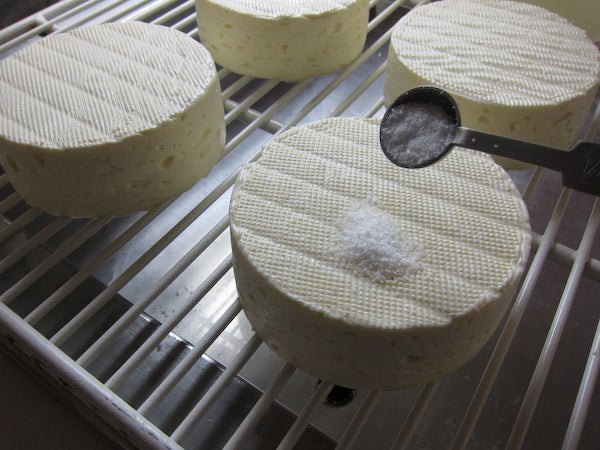
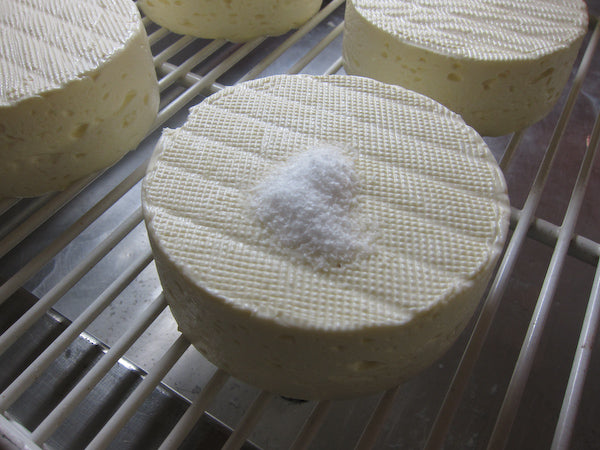
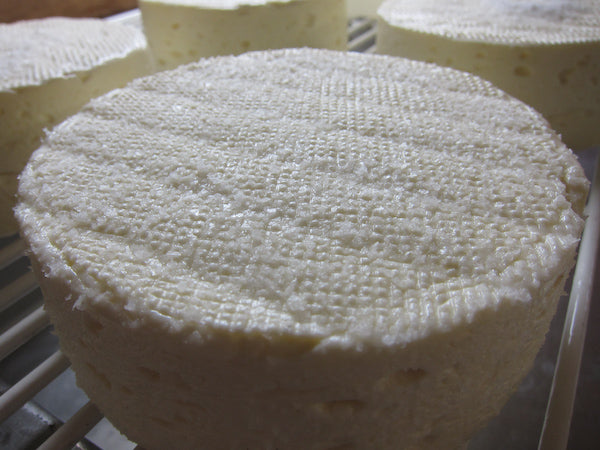
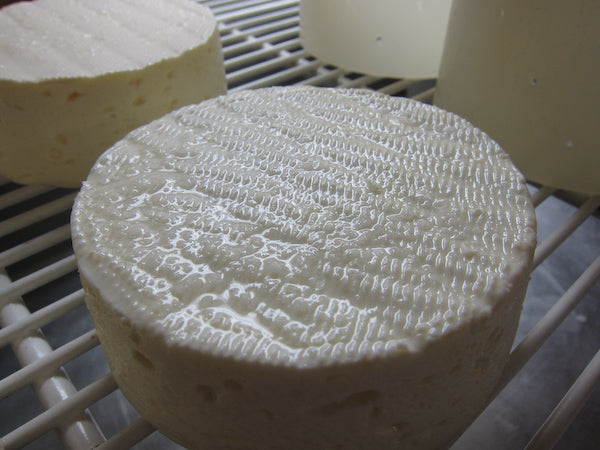
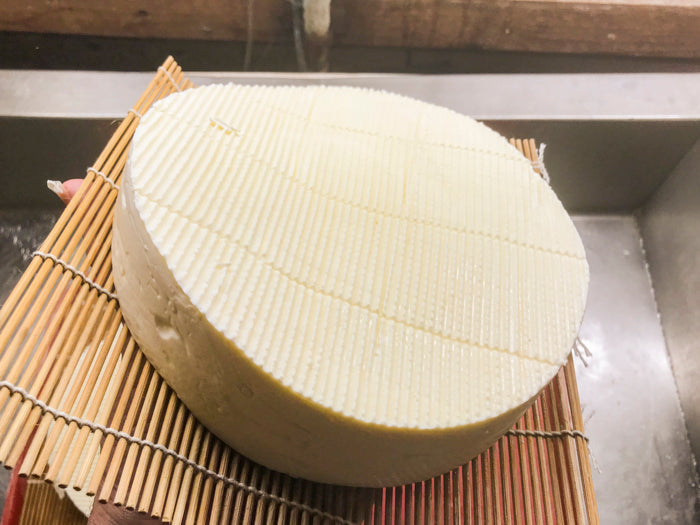
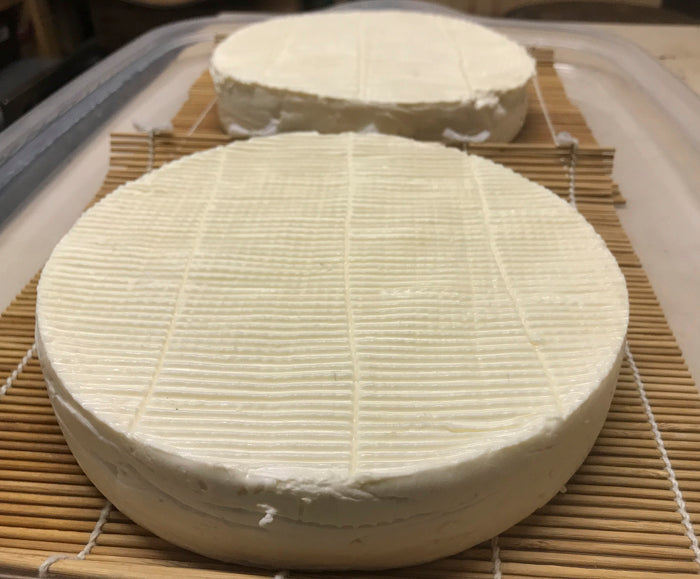
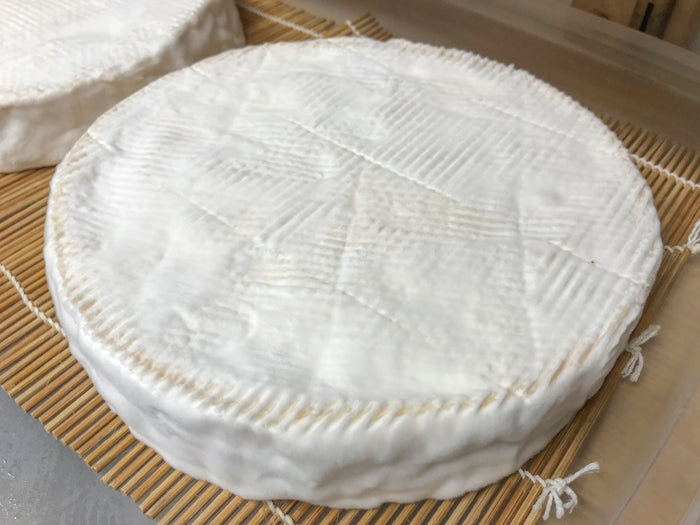
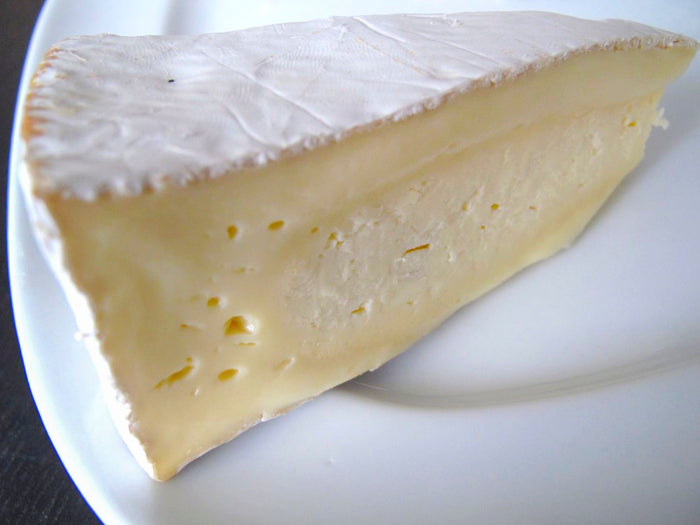
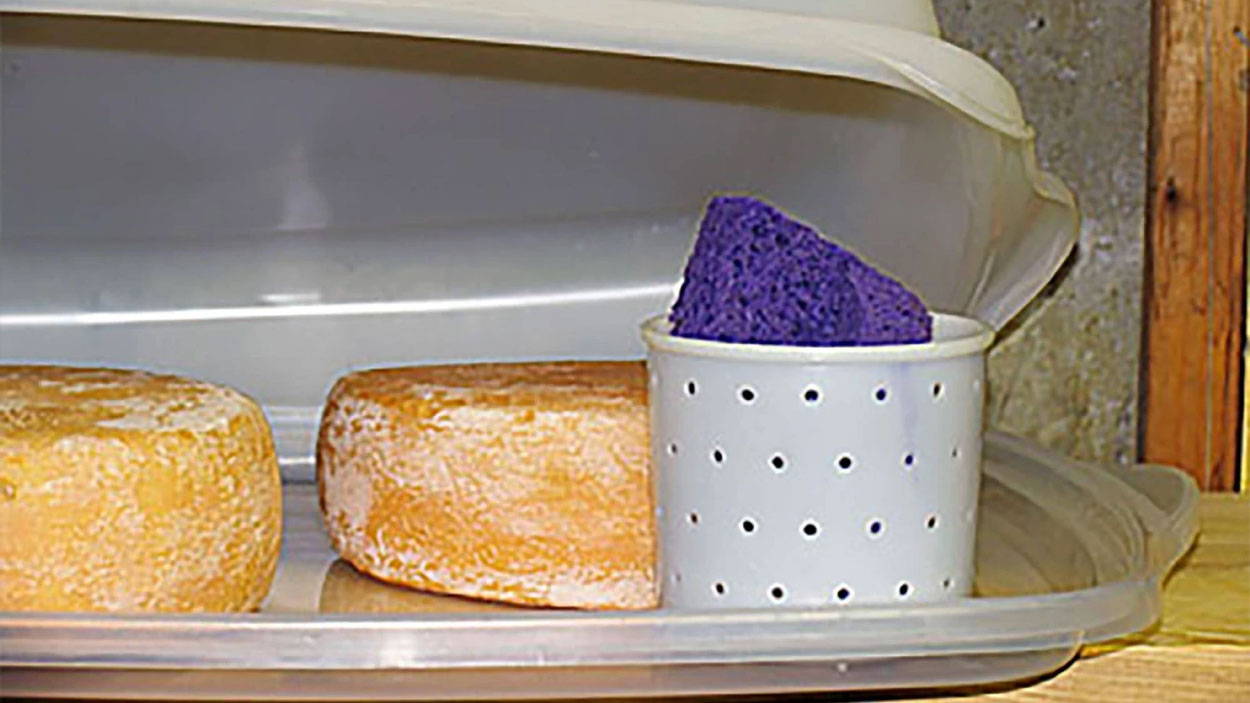
Brie usually appears as a much thinner, wider cheese, whereas Camembert is a smaller wheel shape, but usually a bit taller. Camembert makes a nice presentation as a full wheel and Camembert usually shows on the table as a pie shaped wedge.
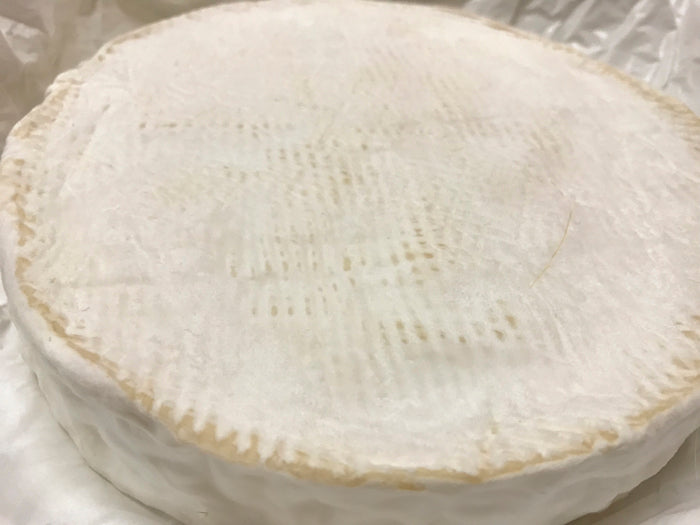
The Camembert most often appears as a snow white pristine looking cheese, but the Brie can turn up looking a bit more casual with slumped sides and multi colored stripes from where it has laid on it's aging mats. However, most of the commercial ones do also show up better dressed in their snow white coats. Personally, most of my friends who love cheese, like the more casual looking ones.
Brie is milder with a buttery, creamy flavor, while Camembert has more intense, deeper earthy notes. However, Brie and Camembert have flavor profiles that are quite similar. Both are often described as tasting mushroomy, eggy, garlicky, nutty, milky, grassy and/or fruity.
Usually Brie appears as that totally white triangle of cheese that shows up at parties and often comes with the Label 'President/Lactalis' attached.
Much of what we see in stores is a commercial version that made by machines, milk that could be a lot better, and aging that is focused more on getting to market and longer shelf life than what Brie was traditionally.
Being Cheese makers you have the option to select your milks and manage the process without these restraints. So in this recipe we focus on just making a Brie that stands out from the crowd.
Brie vs Camembert; although the two seem similar except for size, they are actually quite different in many ways. Same, same, but different; yes, you have heard that from me before.
Brie has been around much longer (perhaps since the seventh or eighth century) and was being eaten long before Camembert came about, which is thought to have been in the mid to late 1700s. It began with a monk escaping the turmoil following the French Revolution, who found himself in Normandy, where he shared his knowledge of Brie with a farm wife, which changed the existing local cheese to what we know as Camembert today. So it is not surprising the similarities.
Both Brie and Camembert are made from cows milk, and are soft-ripened and creamy in texture. Brie is distinguished by the extra cream that is added, and it can be labeled "double cream" or "triple cream." Camembert is not enriched.
Both began as small production, hand made cheese, but Brie began as a monastic production near Paris, and Camembert was made by the farm wife in Normandy.
Both Traditional French Brie and Camembert were made with raw milk. However, the USDA in the US requires that all cheeses made with raw milk be aged at least 60 days before being sold in the US. Brie and Camembert are both aged less than 60 days, so most of what we see is made from pasteurized milk.
In 2004, the United States government passed a law stating that any cheese aged under 60 days, imported to or sold in this country, must be made with pasteurized milk. Suffice it to say that real Brie, which in its natural state is unpasteurized and aged under five weeks, rarely makes it across our borders unless someone just wasn't looking.