




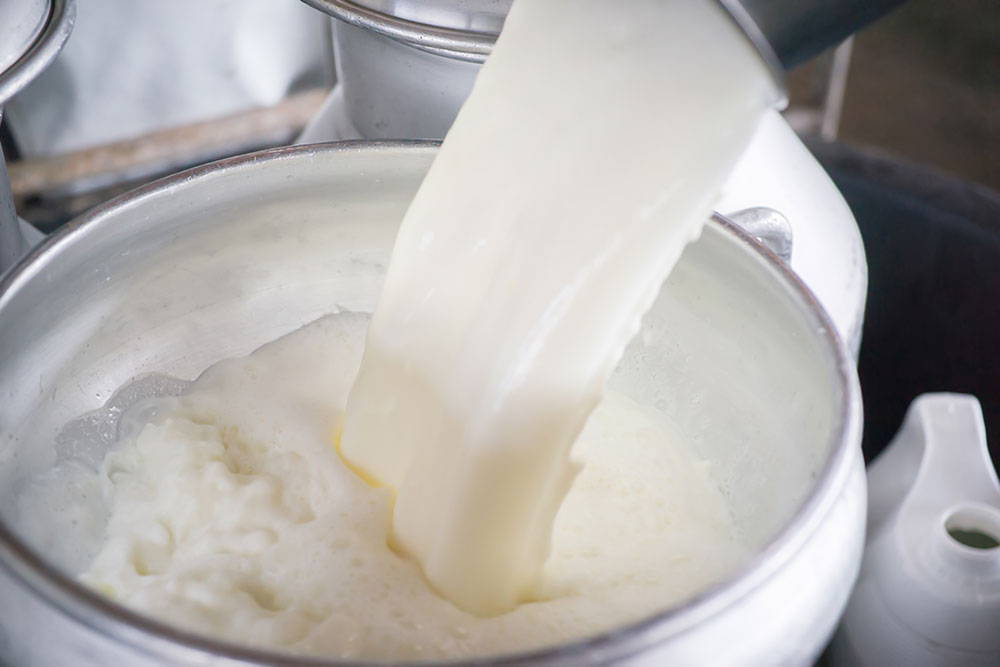
This guide will help you learn about different types of milk, how it is processed, what to look for when selecting good milk for cheese making and so much more. In addition to selecting the right milk, its fascinating to explore how different types of cheese are made, such as blue cheese, which can be crafted from various milk sources including cow, goat, or ewe milk. The distinct flavors of blue cheese often depend on the milks characteristics and the specific cultures used in the cheese-making process. From store bought to raw and everything in-between, this guide includes information on all aspects of milk and cream. You can also check out our Good Milk List to find good milk near you.
General Info
Getting Started
When making cheese, it is important to start with fresh milk from a healthy animal. Store bought and raw milk can both be used to make cheese at home. The benefits with raw milk are the cultures and enzymes already present, which add complexity and character to cheese.
What is Milk
Cow milk is 88% water, 5% lactose (milk sugar), 3.5-5% protein and 3-5% fat (which supplies flavor and texture in cheese). The rest is composed of minerals and enzymes.
Goat milk is similar to cow milk, but the fat globules are smaller and more easily digested. Also, it has no carotene, so it produces a whiter cheese.
Sheep milk has twice the solids as cow milk, so the cheese yield is higher. The butterfat content of sheep milk is 9%.
The balance of all the components of milk is influenced by the breed of the animal, stage of lactation, geographical location, environmental conditions and seasons. All of these factors will affect the final outcome of your cheese. For more information about the content of milk, see chapter one in our book, Home Cheese Making.
Milk Variations in Breeds
Any milk from any breed will work for making any cheese, generally speaking. However, certain breeds of cows and goats are better suited for specific types of cheese. One major difference can be the size and amount of butterfat globules in the milk different breeds produce.
Cows Milk
- Jersey and Guernsey milk has the largest fat globules and is great for all types of cheese especially soft and semi-soft varieties
- Ayrshire milk has the smallest fat globules and is preferred for sharp Italian cheese and long aged Cheddars
- Holstein milk is the standard and is used for many different types of cheese
Goat Milk
- Saanen milk is the standard and is used for many different types of cheese
- Nubian milk has larger fat globules and is often used for soft and semi-soft cheese
- Toggenburg milk has smaller globules and is traditionally used in sharp, aged cheese
After Milking
What happens after milking. As milk leaves its healthy environment, it enters a much harsher environment of possible contamination. It is here the milk producer needs to control the quality of milk by preparing and keeping a clean milking area and practicing proper sanitation routines. In commercial milking, the milk then moves through tubes, pipes, and pumps into refrigerated tanks, where more physical changes take place.
- Fat globules can be damaged, releasing enzymes that can cause problems in ripening, when milk is handled too much
- During cold storage, some of the calcium can go into solution, resulting in weakened curds
- In cold storage, undesirable bacteria, that grow well in cooler temperatures, can increase to very large populations
As milk is transported, then cold stored again, the above problems begin to accelerate. Since lactose in milk is a good food supply for many types of microbes, all of the above conditions translate into deteriorating milk quality. To safely preserve milk, it is often pasteurized before being packaged.
Pasteurization
In 1857, Louis Pasteur realized heat treatment would destroy unwanted microbes. Shortly after, the pasteurization of milk began in Europe and America. By 1940, this process had become well established as dairy herds grew, milk traveled farther, and larger milk processing plants and cheese factories held milk longer.
Fresh milk naturally contains healthy bacteria that inhibit the growth of undesirable and dangerous organisms. Pasteurization removes many of these friendly bacteria, along with the bad. Without these friendly bacteria, pasteurized milk is actually more susceptible to contamination. Currently, there are several approaches to pasteurizing milk.
- Thermization or Heat Treatment low temperature (145F), short time (15 second) pasteurization. This has the lowest impact on natural bacteria and enzymes in milk and is commonly practiced in Europe.
- Low Temp Pasteurization low temperature (145F), long time (30 minute) pasteurization. Referred to as vat or batch pasteurization.
-
High Temp Pasteurization high temperature (162F), short time (15 second) pasteurization. Referred to as HTST, High Temp Short Time pasteurization.
- Some dairies have been pasteurization at temperatures above 172F. This destabilizes whey proteins, and prevents calcium from bonding and creating a good curd. When curd forms as a loose mass or something resembling Ricotta, the milk may have been heated above 172F.
- Ultra-Pasteurization (UP) is a range of milk processing temperatures from 191-212F, for varying times. According to Food and Drugs 21 CFR131.110e(1)ii, all milk fitting this definition must be labeled, ultra-pasteurized. However, the law states this label need only be 1/2 the size and gives no designation as to where it should be on the package. So, 'buyer beware.' Many cheese makers have writen us after purchasing what they thought was regular whole milk only to discover a tiny UP on the package. We do not recommend using UP milk to make cheese, especially Mozzarella.
- Ultra High Temperature Sterilization (UHT) is milk that has been heated to (280F) for a short time (2 seconds). It is basically devoid of any bacteria whatsoever. The shelf life of this milk is 60 days, compared with the 18 days of lower temperature pasteurization. Do not use this milk for cheese making.
Why UHT Milk
Why is milk being over-heated. The problem is the prevalence of certain diseases in herds. Dairies keep increasing the temperature of pasteurizing in hopes it will destroy the problem. Unfortunately, current research indicates that this is not the case. The move to higher temperatures has only created more problems.
The real solution is proper herd management, which is a step many big dairies do not want to take. As the times change and diversified dairies dwindle to a select few mega producers, milk needs to be heated to higher temperatures for longer periods to be able to ship over longer distances. Ultra-pasteurization increases the shelf life, thereby increasing the profitability of the milk.
Finding Good Milk
Want to know how your milk is being processed? Talk to your grocery store manager and find out how their milk is being pasteurized. You can also check out our Good Milk List to find good milk near you.
If you find a brand of milk that is not being overheated, that is not listed on our Good Milk List, let us know so we can add it to the list and help support local dairies.
Fat% of Cream
Here is a list with the fat content for different types of cream.
You can use different types of cream in place of what is called for in a recipe, but the addition will need to be modified based on the fat content of the cream you are using. For example, half and half has 1/2 the fat content of light cream, so you may need to use more half and half than light cream in your recipe.
Heavy Whipping Cream
36-40%
Light Whipping Cream
30-36%
Light or Coffee Cream
18-30%
Single Cream
20%
Half and Half
10.5% (10-18%)
Sour Cream
18-20%
Whole Pasteurized Milk
3.25%
Related Supplies
Raw Milk
What is Raw Milk
Raw milk comes straight from the animal, without any processing. For cheese makers, the most desirable raw milk comes from grass-fed animals.
If you want to learn more, The Raw Milk Revolution explains the current controversy of raw milk.
Raw Milk for Cheese Making
You can make cheese with raw milk. However, you need to be 110% sure of the milk quality. The milk needs to come from tested animals and been kept scrupulously clean. If you are not absolutely sure about the milk quality, and decide to pasteurize it, follow our directions in the Processed Milk section.
All of our recipes can be made with raw milk, for recipes that cal for culture, you may need to use 30-40% less culture. Simply follow the directions, as given. Once you have experience with the recipe and are ready to make adjustments, you may be able to use 10-20% less rennet and you may be able to lower the temperatures 3-5 degrees.
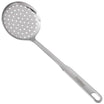
When making cheese with raw milk, it is important to top-stir for several extra seconds before adding rennet. This mixes any butterfat that has risen to the surface back into the body of the milk. To top-stir, simply stir the top inch of milk twards the center of the pot, with the bottom of a slotted spoon or skimmer.
Selling Raw Milk Cheese
Raw milk cheese sold in the US must be aged over 60 days above 34F. You will need to check with your local and state agencies to determine your local regulations for selling raw milk cheese.
Cheese Making After Milking
After milking, hold the milk for 2-3 hours before making cheese. After that, sooner is better. It is best to use milk within 36-48 hours of milking.
Traditionally, milk was collected and held overnight to allow natural cultures to develop. It was then mixed with fresh milk collected the next morning, which was still warm, and then made into cheese.
Older Milk
Raw milk that has been held long enough to sour, will have changes to the composition and structure. The proteins will begun to deteriorate somewhat and calcium for forming curds will be depleted. These changes do not lead to a high quality cheese. In general the cheese will be less firm and more difficult to remove moisture from.
For older milk it is best to make a simple cheese with no aging, such as cottage cheese.
How to Skim Cream
With cow milk, we suggest letting the cream rise to the top of your milk overnight and then removing it for partially skimmed milk. Cream will naturally rise to the top milk is able to sit undisturbed.
Goat milk is naturally homogenized, so using a manual or electric cream separator is generally the best option.
Freezing Milk
We do not recommend freezing cow milk. The components of cow milk can break down as the milk is thawed.
If necessary, goat and sheep milk can be frozen for up to 30 days before cheese making. When thawing, always place milk n the refrigerator.
Antibiotics and Medicine
If a cow or goat has taken antibiotics or any other medicine, we recommend waiting 3 full days after administering, because they will impede the activity of culture when making cheese.
Calcium Chloride
It is not necessary to add Calcium Chloride, because the calcium molecules have not been affected by pasteurization and homogenization.
However, many cheese makers use calcium chloride to compensate for seasonal variations in the composition of their milk. We typically use Calcium Chloride to any milk that has been cold stored. If you have problems with weak curds you may want to make one batch with and one batch without to see if it helps your curd set.
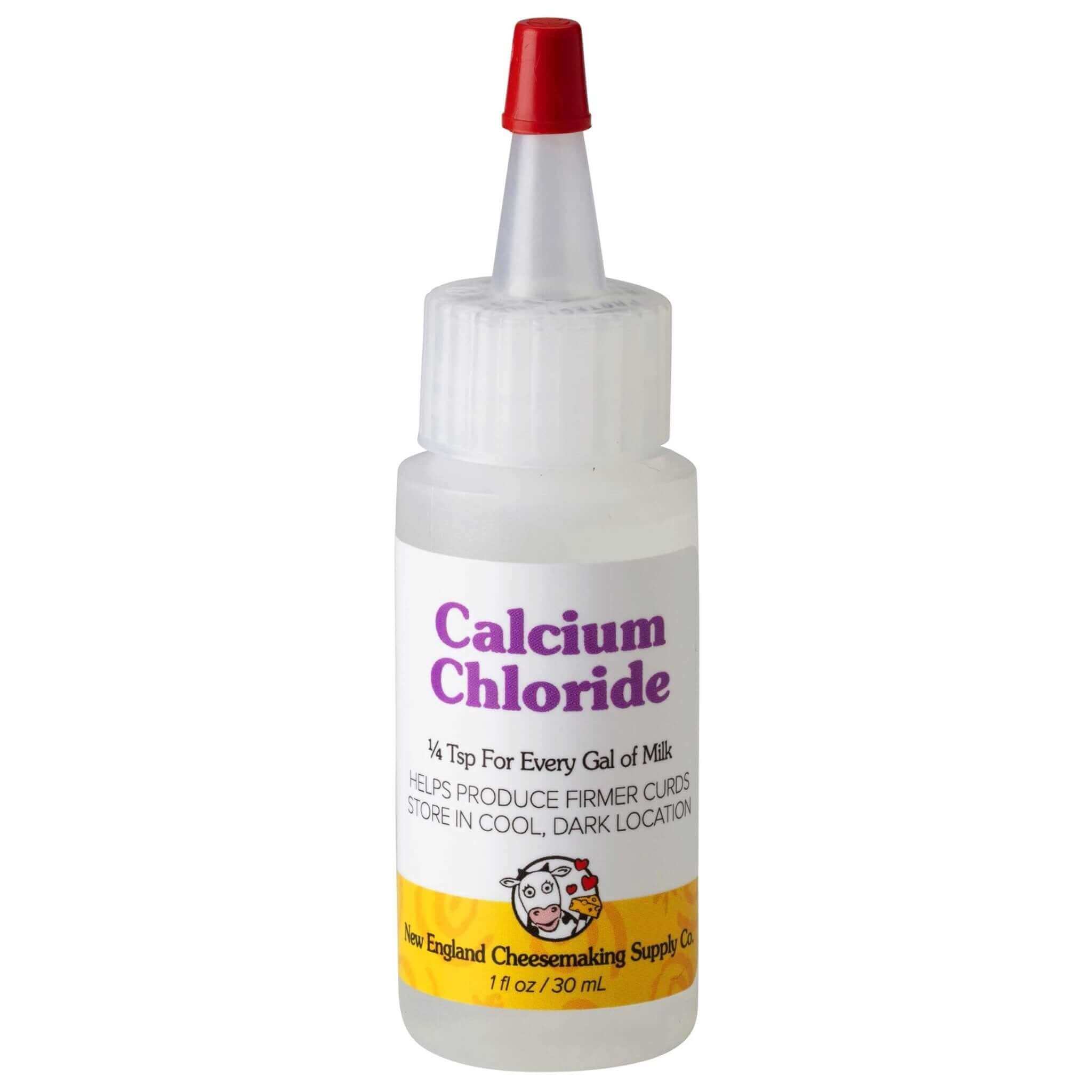
When using Calcium Chloride, add 1/4 teaspoon per gallon of milk. Dilute it in 1/4 cup of cool, non-chlorinated water and add it when you begin heating the milk.
We do not recommend adding Calcium Chloride to your milk when making stretched curd cheese including Mozzarella. It may prevent your curds from stretching in the final step.
Related Supplies
Processed Milk
What is Processed Milk
Processed milk has been heat treated, pasteurized. There are a few different methods for pasteurizing milk including low temp and high temp. Low temp pasteurization is the best method for cheese making. Processed milk is typically homogenized as well, this gives milk a uniform look and prevents cream from rising to the top.
Ways to Process Milk
Homogenized
Homogenization breaks up the butterfat into small globules so they stay integrated with the rest of the milk, instead of rising to the top. It slightly damages the milk, but the difference is negligible.
Pasteurized
Pasteurized milk is heated to a specified temperature and then cooling rapidly. We recommend heating to 145F and holding for 30 minutes. If making cheese right away, cool milk as quickly as possible to your cheese making temperature, then begin. If not using right away, cool milk as quickly as possible to 40F then refrigerate.
Ultra Pasteurized (UP)
Milk that has been heated to a temperature range of 191-212F, for varying times. This temperature and time combination is lethal to bacteria, killing virtually all, including those that would be beneficial in cheese making.
When using this method, milk processors are required by law to label milk as ultra-pasteurized.
For more information about UP milk, see the General Questions section above.
What to Look For in Milk
Whenever possible, try to find a local brand of milk, because cold storage and transportation for a length of time can be problematic for milk. The closer the milk is to the source (cows, goats, etc) the better for cheese making.
Another factor is the heat at which the milk has been pasteurized. If the milk clearly states it is ultra-pasteurized (UP), do not purchase it. It has basically been stripped of friendly bacteria. More importantly, the alteration of proteins is so severe, the milk will not form a proper curd.
Unfortunately, even if milk is not labeled UP, it may have been heated to just short of ultra-pasteurization. When milk has been pasteurized at a high temperature, anything over 172F, it can be problematic for cheese making. The only way to know how high the milk was heated, is to call the dairy or processing location. We encourage you to do this because we believe it will let the large processing plants know there is a demand for low heat pasteurization.
You may be able to find a good local milk on our Good Milk List.
Store Bought Milk
All of our recipes work with most store bought milk. It has always been our mission to make cheese making accessible to everyone. You can use any type from whole to skim in most recipes. Whole milk will produce a higher yield and better flavor because of the butterfat it contains, whereas skim milk will make a drier cheese and lower yield.
Skim Milk
Skim milk may be used in most of our recipes. Simply follow the recipe, as given. When using skim milk, your cheese will be drier, the yield will be lower and there wil be lsee flavor. Butterfat is an important flavor and texture component of cheese.
In whole milk, the butterfat (cream) is usually 3.5-4%. If you have to use milk with little or no butterfat, you can usually add herbs or spices for more flavor.
A few types of hard, aged cheese including Parmesan are traditionally made with partially skimmed milk.
Calcium Chloride
Pasteurizing and homogenizing milk disturbs the calcium balance. This can result in a slightly softer curd than desired for cheese making. Because of this, it is a good idea to use Calcium Chloride with pasteurized milk.
Use 1/4 tsp of calcium cloride for every gallon of milk. Dilute in 1/4 cup of cool, non-chlorinated water and add it when you begin heating the milk.
We do not recommend adding Calcium Chloride to your milk when making stretched curd cheese including Mozzarella. It may prevent your curds from stretching in the final step.
Ultra-Pasteurized Cream
Many of our recipes call for cream, in small quantities, in addition to milk. Because ultrapasteurized cream is mostly butterfat, adding it to pasteurized or raw milk to enhance the flavor is fine. Again, be sure only the cream is ultra-pasteurized, not the milk.
When adding cream to milk, it is best to first raise the temperature of the cream to 100F.
Why is Milk Ultra Pasteurized
We believe the main reason milk is ultra-pasteurized is to increase the shelf life, from 18 days at normal pasteurization, to 60+ days. This allows dairies to transport milk across the country and to keep it on the store shelves longer.
Some dairies claim, heating milk to high temperatures, protects us from bacteria. This is not true. Studies have shown, when there is bad bacteria in the milk, much of it is not eliminated by high temperatures. However, it is cheaper to overheat the milk, destroying both good and bad bacteria, than it would be to cull the herds.
Related Supplies
Goat - Sheep Milk
Finding Goat or Sheep Milk
In some states, it is hard to find fresh milk because regulations prohibit farm sales. The best place to begin searching is atlocal farmer markets. Or, you could post a notice, at a health food store or co-op, that you are looking for fresh goat or sheep milk.
Goat and Sheep Milk Cheese
All of our recipes can be made with cow, goat or sheep milk. The first time you try a recipe, we recommend following the directions as is. The taste will be different than cheese made with cow milk.
With raw sheep milk, you will need to accommodate for the high butterfat content. Top-stir, stir the top 1" of the milk with the bottom of your skimmer for a few extra seconds, before adding rennet. Also, when cutting curds, make larger cubes to avoid losing butterfat. Use half the amount of salt called for and exert only light pressure when pressing.
Freezing Milk
Yes, you can freeze milk. But, it will not work as well as fresh milk for cheese making. You may find the curd is more fragile. When thawing, keep frozen milk in the refrigerator.
You may have better luck with frozen sheep milk than with frozen goat or cow milk.
Ultra-Pasteurized
YUltra-pasteurized goat and sheep milk are just as damaged as any other ultra-pasteurized milk and will not work for cheese making.
Calcium Chloride
We recommend adding Calcium Chloride to goat and sheep milk, if you are experiencing weak curd formation.
For raw milk, add 1/4 tsp of calcium chloride for every gallon of milk. For pasteurized milk, add 1/2 tsp of calcium chloride for every of milk. Dilute calcium chloride in 1/4 cup cool, non-chlorinated water and add it when you begin heating the milk.
We do not recommend adding Calcium Chloride to your milk when making stretched curd cheese including Mozzarella. It may prevent your curds from stretching in the final step.
Related Supplies
Powdered Milk
Types of Powdered Milk
There are two kinds of powdered milk, nonfat and whole, both cab be used to make cheese. However, we recommend using whole dry milk powder for yogurt and soft cheese only. If used for aged cheese, it may taste rancid.
You can extend the shelf life by keeping dry milk powder in the refrigerator or freezer.
Reconstitute Before Making Cheese
Before making cheese, dry milk powder needs to be reconstituted. To reconstitute dry milk powder, follow the directions on the package. If it says to leave it overnight, be sure to do so, otherwise the milk may not be fully dissolved in the water.
Adding Cream
Nonfat dry milk powder works best for cheese making when cream is added. Depending on your taste, use a ratio of 8-16 oz cream for every 2 gallons of milk. You can add either half & half, light, heavy or whipping cream to powdered milk.
When adding cream to milk, it is best to first raise the temperature of the cream to 90-100F.
Low Heat Spray-Processed
You can use, low heat spray-processed, dry milk powder. It simply needs to be dissolved in hot water and beaten with a whisk or an electric mixer to get the lumps out. Blend 4 cups of powder with 15 cups of chlorine-free water. Let set for at least 6 hours. Add 1 cup heavy cream. Avoid 'high heat processed powder' used for baking.
Powdered Goat and Sheep Milk
You can use powdered goat or sheep milk for cheese making. Many of cheese makers successfully use powdered goat. However, be careful when buying it, we found that many brands are ultra-pasteurized. Powdered sheep milk works well, although we do not know of a good source for one in the united states, if you find one, please let us know.
Calcium Chloride
We recommend adding Calcium Chloride to powdered milk when making cheese. Add 1/2 tsp of calcium chloride for every of milk. Dilute calcium chloride in 1/4 cup cool, non-chlorinated water and add it when you begin heating the milk.
We do not recommend adding Calcium Chloride to your milk when making stretched curd cheese including Mozzarella. It may prevent your curds from stretching in the final step.
Related Supplies
Other Variations
Organic Milk
We support the concept of organic milk, unfortunately, in our experience, organic milk at supermarkets is usually ultra-pasteurized. This includes many national name brands of milk. If you are lucky enough to have a local source for organic milk, by all means, use it.
Organic Milk For Cheese Making
There are many sources of organic milk online, some of which are not ultra-pasteurized. Before you spend a lot of money, however, you should know that the definition of 'organic milk,' is unclear.
The New York Times recently noted that 'organic milk' essentially means "it comes from a cow whose milk production was not prompted by an artificial growth hormone, whose feed was not grown with pesticides and which had 'access to pasture,' a term so vague it could mean that a cow might spend most of its milk-producing life confined to a feed lot eating grain and not grass."
Consumer groups have expressed concern that the cows spend most of their time confined in cramped feed lots, with just enough "access to pastureland" to meet the letter of the law. The groups charge that many dairies fail to meet the law's intent. Pressure is growing on the USDA to more clearly spell out exactly how much access dairy cows should have to pasture grazing before their milk can be legally labeled as 'organic.'
Most of the 'organic' milk we have found is pasteurized at temperatures above 172F.
Lactose Free Milk
Unfortunately, we have yet to find a brand of lactose-free milk that is not ultra-pasteurized. If you find one, please let us know and we will add it to our Good Milk List.
Lactose Free Milk for Cheese Making
Making cheese with lactose-free milk that is not ultra-pasteurized. With lactose-free milk, that is not ultra-pasteurized, you will be able to make 30 Minute Mozzarella, Ricotta and a few other types of cheese. However, you will not be able to make a recipe that needs a culture. The process of cheese making is based on bacterial cultures converting the lactose in milk to lactic acid. This process drives the conversion of liquid milk to curds, which eventually becomes cheese. This conversion also causes the moisture (whey) to be released. Without lactose in milk there is no food to support bacterial cultures.
Less Lactose in Aged Cheese
How much lactose is there in cheese? There is less lactose in cheese than in milk. A cup of cow milk contains about 10-12 grams of lactose. An ounce of Swiss or Cheddar cheese contains less than one gram of lactose. Most of the lactose found in milk is removed during the cheese making process. For aged cheese, the remaining lacctose is consumed by the culture while the cheese ages.
The longer a cheese is aged, the less lactose it will have.
Less Lactose in Homemade Cheese
There is typically less lactose in homemade cheese than in store-bought cheese. When using live cultures in cheese making they consume a lot of the lactose found in milk.
Soft cheese and yogurt have more lactose than the aged cheese. But, there are no additional milk solids added to homemade soft cheese or yogurt, as there are in most commercial brands.
Other Types of Milk
Canned Milk
We have yet to find a brand of canned milk that has not been high heat treated.
Sour Milk
We do not recommend ever using sour milk for making cheese. You will not be able to tell if any bad bacteria, in addition to the healthy bacteria, has grown or even taken over the milk. We prefer to control the bacterial count by using cheese making cultures.
Non-Dairy Milk
It is possible to make gluten free, casein free yogurt and cheese with our cultures, however we do not have a lot of experience with dairy free milk. We would love to hear about your dairy free cheese making, please contact us at info@cheesemaking.com pictures are allways welcome.