








Mother and Daughter Cheese Makers
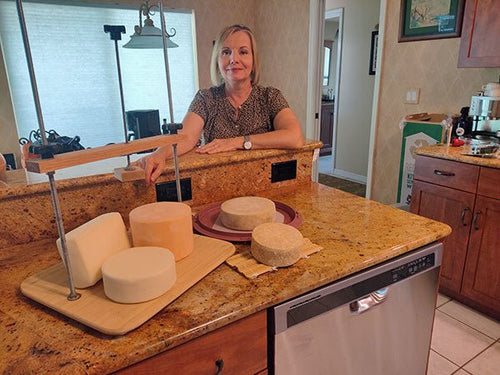
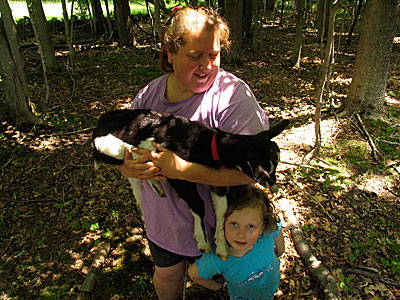
Carol Lively and her daughter Christina Lively Spring Farm Rowe MA. True Home/Farmstead cheese making on a small scale. The Lively's have a small farm in western Massachusetts where Carol and her daughter Christina take care of a small herd of goats, from which they make cheese for themselves and friends in their kitchen, a very traditional way much as our grandparents may have done.
The work begins with the care of the goats, a labor of love as can be seen in these photographs
Now if you have goats, you're going to have milk and sometimes it is a lot of milk and it keeps on coming. M ore milk than one family can drink.
Goat's Milk Feta
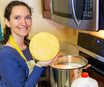
We joined Carol as she made Feta Cheese from her goats raw milk.
Carol started by filtering the warm milk. Then she she added the previous days milk, which has been kept chilled.
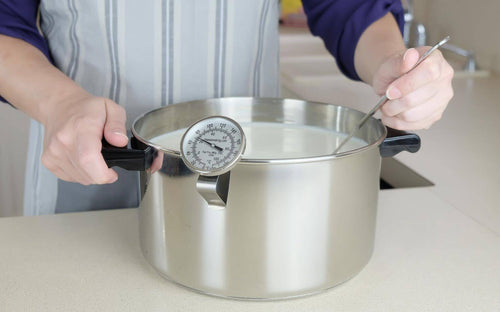
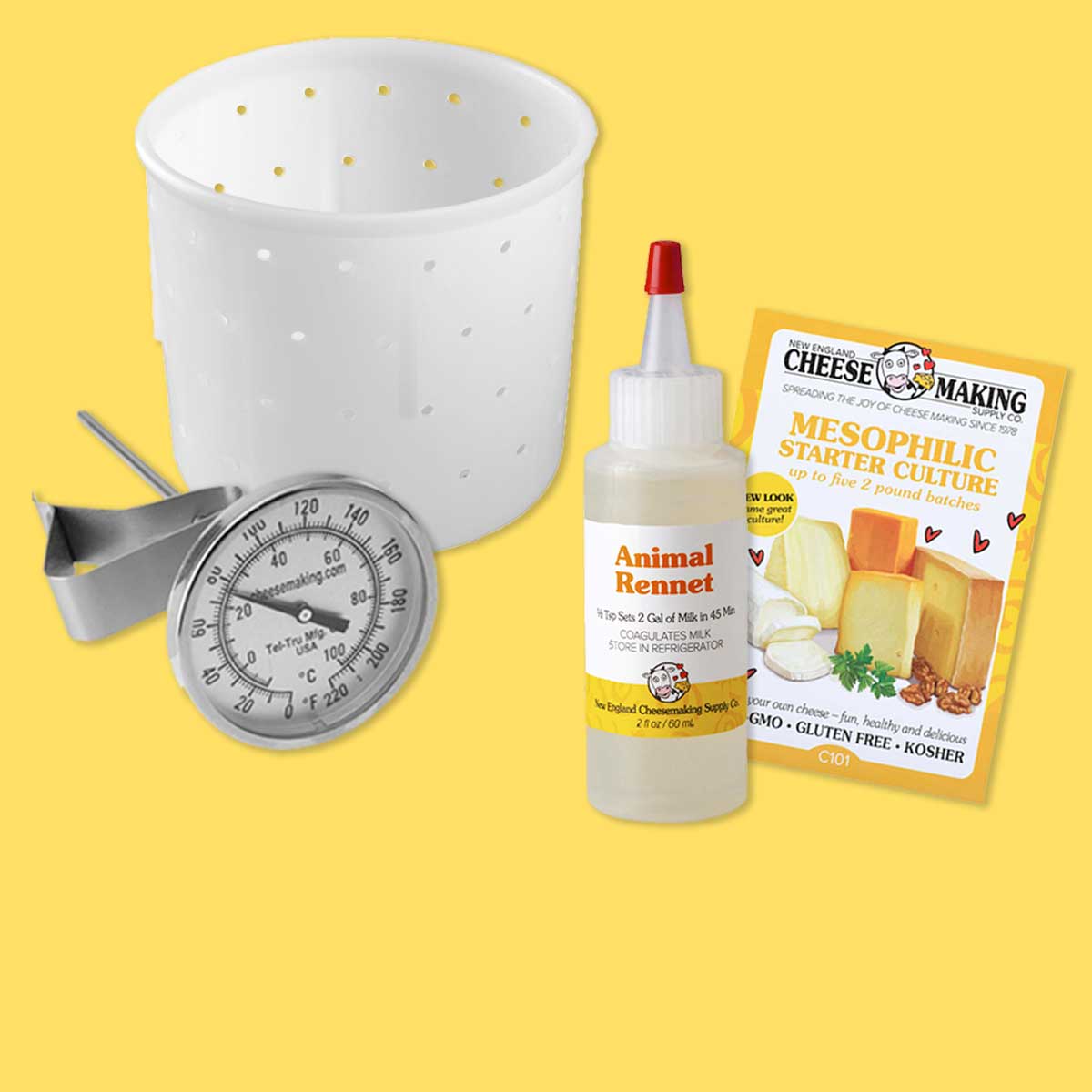
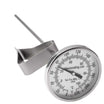
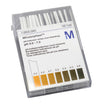
The pot was then placed in a sink with warm water to bring the milk up to the proper temperature. Once heated, she added the starter culture and allowed the milk to set and ripen. While waiting, she prepared the acid testing materials, to test the milk for the first signs of ripening. When ready she added rennet
After a proper curd formed she begin to cuting it into 1/2" pieces to allow the whey to separate. Then she stirred the curds to keep them separated.
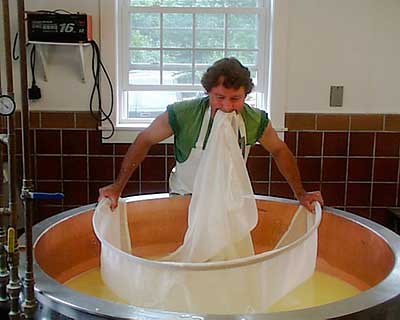
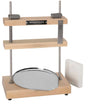
Once the curds lost enough whey she allows them to settle and began removing whey from the pot. When most of the whey was removed, the remaining curd was transferred and allowed to continue draining.
The curd rested for several hours, in the draining cloth, until it mated into a nice consolidated cheese. the curd continued to rest overnight and dry off for 2-3 days.
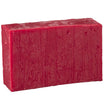
Once dried, was cut into pieces and prepared for salting. Salt was added and allowed to dissolve into the cheese the chunks of cheese were then turned and salted again. This was repeated several times since this is a highly salted cheese. The salt will draw out more whey, which is poured off as it accumulates. All of the salting makes a very dry cheese so it can be preserved for long periods in a brine made up of 50:50 whey and water.